A practical, DIY-focused breakdown of LVP versus laminate, including waterproof claims, wear layers, subfloor prep, comfort, and where each option makes the ...
The Grout Nest
Updated October 17, 2026
Eco-Friendly DIY Flooring: Cork vs Bamboo vs Linoleum
Thinking about sustainable floors? Here’s a DIY-focused look at cork, bamboo, and linoleum, including environmental impact, durability, comfort, certifications, and install methods.

Ben Mitchell
Ben Mitchell is a former professional tile setter and passionate home renovator with over 12 years of experience in the flooring industry. After stepping away from commercial contracting, he founded Grout Nest to empower everyday homeowners to tackle their own flooring, tile, and backsplash projects with confidence. He believes that with the right tools, proper prep work, and a little patience, anyone can achieve a professional-grade finish.
When people say they want an “eco-friendly floor,” they usually mean some mix of three things: fewer nasty chemicals in the house, less environmental impact upstream, and a floor that lasts long enough that it does not end up in a dumpster in five years.
I set tile for a living for a long time, and I love a floor that is basically permanent. But not everyone wants cold porcelain underfoot or a weekend spent wrestling a wet saw. If you are shopping greener options you can actually install yourself, cork, bamboo, and linoleum are the big three worth a serious look.

One quick clarification before we get into it: “eco-friendly,” “sustainable,” and “low-tox” are related, but not identical. One product might be renewable but use higher-emitting adhesives. Another might be ultra low-VOC but have a bigger shipping footprint. I am going to look at all of it: material sourcing, indoor air quality, durability, and DIY install reality.
Below is the DIY-realistic breakdown: what each material is, how “green” it really is, what it is like to live with, and what installation looks like when you are the installer and the project manager.
Quick pick
- Choose cork if you want the warmest, quietest floor underfoot and you can control moisture. Great for bedrooms, offices, and upstairs spaces.
- Choose bamboo if you want a harder, wood-like look and you are okay being picky about quality and adhesives. Great for living rooms and hallways.
- Choose linoleum if you want the most time-tested “green” resilient floor with excellent longevity and easy cleaning. Great for kitchens, mudrooms, and family spaces.
If you are doing a bathroom: be careful with all three. You can make them work, but wet-room conditions punish mistakes. For most DIY bathrooms I would rather see porcelain tile, a proper waterproofing system, and grout chosen for the job. Sealer can help with staining on some grouts, but it is not waterproofing, and some grouts (like epoxy) do not need sealing at all.
Eco claims that matter
Marketing can get fuzzy fast, so here is what I pay attention to when I am helping friends or neighbors pick “greener” floors.
1) Renewability and harvesting
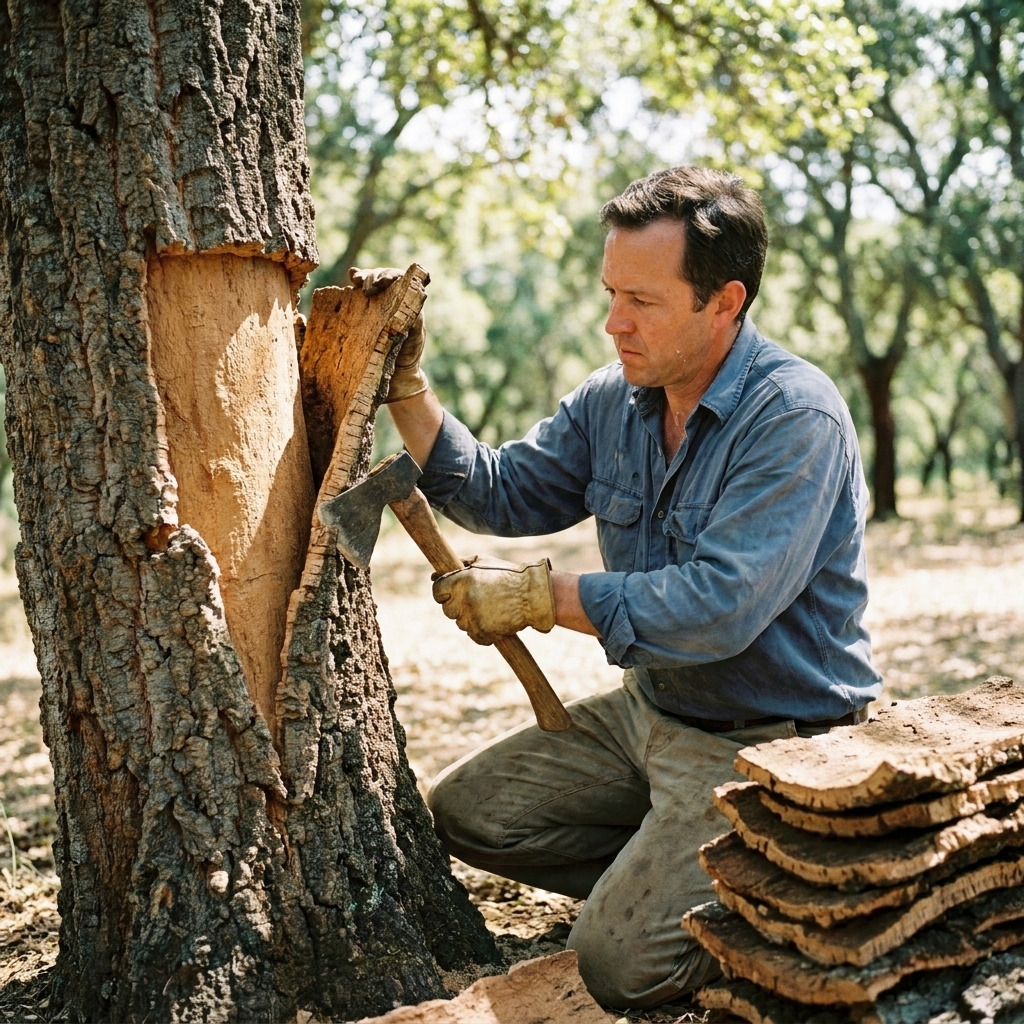
- Cork comes from the bark of cork oak trees. The tree stays alive and the bark regrows, which is about as renewable as it gets when sourced responsibly.
- Bamboo is a grass, not a hardwood. It regrows quickly, but processing varies wildly. The green part is the regrowth. The questionable part can be the manufacturing.
- Linoleum is typically made from natural ingredients like linseed oil, wood flour, cork dust and or mineral fillers, and pine rosin on a jute backing. It is an old-school material that happens to align well with modern sustainability goals.
2) Indoor air quality (VOCs)
For DIYers, this is huge. You are not only buying flooring, you are buying whatever adhesives, finishes, and underlayments come with it.
- Look for documentation, not just a green leaf on a box. Helpful labels include FloorScore and GREENGUARD Gold for emissions. If the product has an EPD (Environmental Product Declaration), even better.
- Pre-finished products often have more consistent curing than site-finished, but still read the spec sheet.
- Adhesives matter with glue-down cork and sheet linoleum. A “green” floor installed with a high-solvent adhesive is like ordering a salad and pouring nacho cheese on it.
- Pay attention to cores on click products. Some have composite cores where TSCA Title VI / CARB2 compliance matters for formaldehyde emissions.
3) Longevity and repairability
The greenest floor is the one you do not replace. Linoleum and high-quality bamboo can go the distance. Cork can too, but it depends on wear layer thickness, finish quality, and how you treat water and furniture legs.
Cork flooring
Cork is the friendliest floor on your joints. It is warm, slightly springy, and naturally quieter than most hard surfaces. If you have kids who run like a herd of caffeinated buffalo or you work from home and hate footfall noise, cork is a legitimate quality-of-life upgrade.
Pros
- Comfort and warmth: cork is noticeably warmer than tile and even many laminates.
- Sound reduction: great for second floors, condos, and offices.
- Renewable material: harvesting bark does not kill the tree when sourced responsibly.
- DIY-friendly formats: many products come as click-lock floating planks.
Cons
- Moisture sensitivity: standing water, wet spills left overnight, and chronic humidity are cork’s kryptonite.
- Dent potential: heavy furniture, high heels, and rolling chairs can leave marks if you skip protective pads.
- Sun fading: direct sunlight can change color over time. Area rugs and UV window film help.
Durability reality check
Cork can last a long time, but it is not a “set it and forget it” floor in a busy kitchen. For a family room it holds up well if you use felt pads, keep grit under control, and clean with the right products. If you have a big dog with nails like roofing tacks, choose a cork product with a tough factory finish and consider a darker, more forgiving color.
Cleaning and care
- Dry clean first: sweep or vacuum often to keep grit from acting like sandpaper.
- Damp, not wet: avoid sloshing water. Many manufacturers allow a well-wrung damp mop with an approved cleaner, but standing water is a hard no.
- Protect it: felt pads under furniture and a chair mat under rolling chairs, especially on softer cork.
DIY install
Floating click-lock cork is the DIY winner. It installs like many engineered wood floors: underlayment, click together, leave expansion gaps, add baseboard or shoe molding.
- Subfloor flatness matters: cork telegraphs dips and humps more than people expect because it is slightly compressible. Aim for flat, not level.
- Moisture testing matters: on concrete slabs, use the moisture test method and limits required by your flooring manufacturer. Common approaches include in-slab RH testing or calcium chloride kits, depending on what the spec allows.
- Acclimation: let it sit boxed in the room for the time specified, especially in swingy climates.
Glue-down cork tiles or planks can look more seamless, but adhesive work is not forgiving. If you have never troweled glue, start with click-lock. I have watched confident DIYers turn into nervous poets when contact-style adhesives start grabbing before they are aligned.
Best rooms
Bedrooms, offices, playrooms, and upstairs living spaces. In kitchens, it can work if you are disciplined about wiping spills and using mats at sinks and dishwashers.
Bamboo flooring
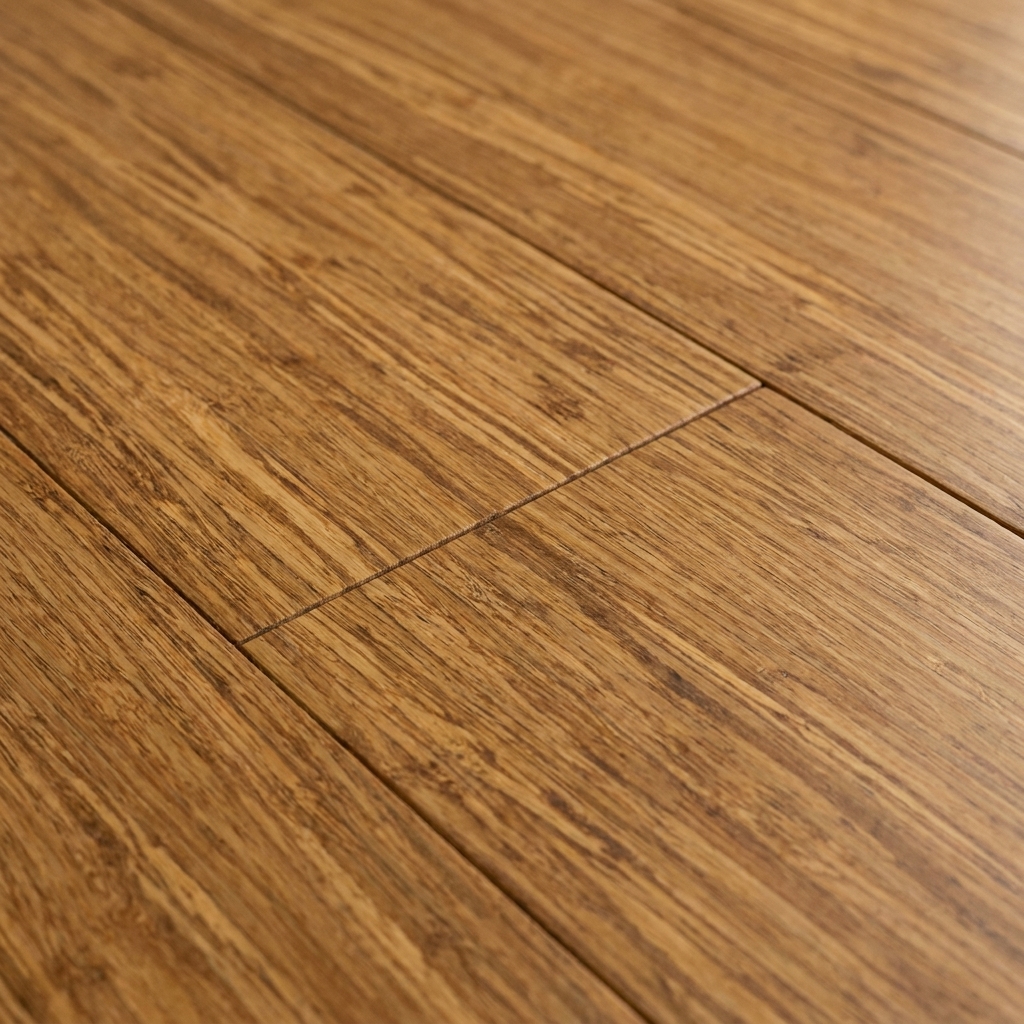
Bamboo is often sold as a hardwood alternative, and visually it can absolutely pass. The performance depends heavily on how it is made. If you only remember one thing, make it this: not all bamboo is created equal.
Pros
- Hardness potential: strand-woven bamboo can be very hard and wear-resistant.
- Modern wood look: lots of colors and grain styles, from natural to darker stains.
- DIY options: many products are click-lock floating planks.
Cons
- Quality swings: manufacturing, adhesives, and finish quality vary more than most homeowners realize.
- Moisture movement: like wood, bamboo expands and contracts. Poor acclimation and bad gaps cause buckling.
- Refinishing limits: some engineered bamboo has a thin wear layer. Sanding may be limited or not recommended.
Eco notes
Bamboo regrows quickly, which is great. The environmental downside can come from processing, resin content (especially in some strand-woven products), and shipping distance. If you are trying to keep the whole project low-tox, pay attention to emissions testing and clearly stated adhesive standards. If you are trying to keep sourcing responsible, look for supply chain transparency and published EPDs when available.
Cleaning and care
- Vacuum or sweep regularly so grit does not grind the finish down.
- Damp mop only with a well-wrung mop and a cleaner approved for the specific finish. Avoid steam mops unless the manufacturer explicitly allows them.
- Entry mats and felt pads do more work than people give them credit for.
DIY tips
- Get the subfloor flat: for floating floors, manufacturers often call for tight tolerances across 6 to 10 feet. If you skip patching and sanding, you will hear clicks and feel soft spots.
- Acclimate properly: do not rush this. Stack the boxes as recommended and keep HVAC running.
- Leave real expansion gaps: and do not trap the floor under heavy cabinetry unless the product allows it.
- Use the right underlayment: follow the manufacturer spec, especially for moisture on slabs.
Best rooms
Living rooms, dining rooms, hallways, and bedrooms. In kitchens it can be okay with good mats and quick spill cleanup. In full baths, I do not recommend it for most DIYers.
Linoleum flooring
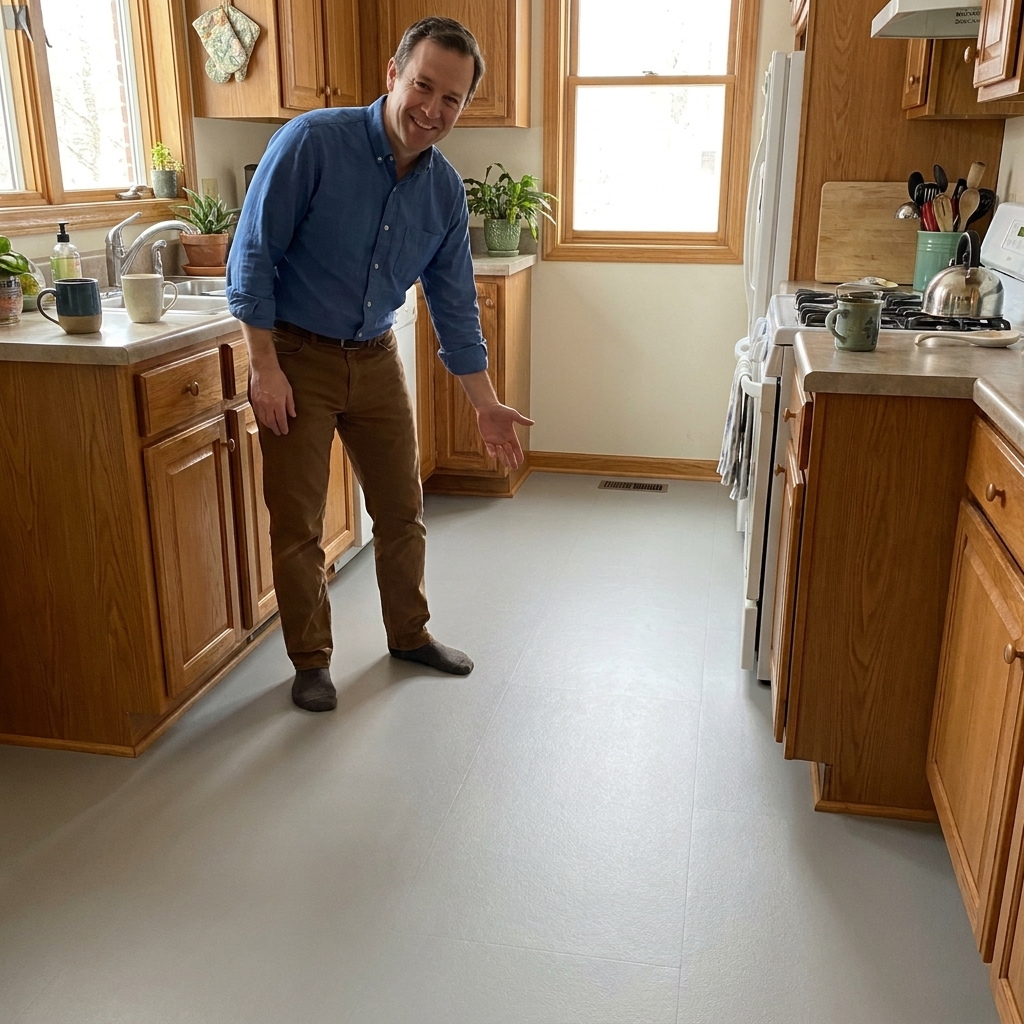
Linoleum gets unfairly dunked on because people confuse it with vinyl. They are not the same thing. Vinyl is plastic-based. True linoleum is typically made from natural materials and has been used in homes for well over a century.
If you want a sustainable resilient floor that is tough, comfortable, and easy to clean, linoleum deserves a spot on your shortlist.
Pros
- Excellent longevity: properly installed linoleum can last decades.
- Easy cleaning: sweep, vacuum, damp mop with manufacturer-approved cleaner.
- Many are through-body: many linoleum products are through-color or inlaid, so wear can be less obvious than printed surfaces.
- Comfortable underfoot: softer than tile, warmer than stone.
Cons
- Installation skill ceiling: sheet goods and heat-welded seams are not beginner-friendly.
- Moisture management still matters: it is resilient, but seams and edges are vulnerable if water gets underneath.
- Initial odor: linseed oil smell can be noticeable at first and typically dissipates with ventilation and time.
DIY install
For DIY, linoleum tiles are usually the most realistic option. Click-lock linoleum planks also exist from some manufacturers, but they are less common. If a box says “click resilient” and the specs mention PVC or vinyl, it is not linoleum. Read the technical data sheet, not just the marketing on the front.
- Tile: easier to handle and replace, but you have more seams.
- Click-lock: fastest install, fewer adhesives, good for beginners. Follow expansion and underlayment rules.
- Sheet: best water resistance when professionally seamed, but toughest to execute cleanly.
Cleaning and care
- Gentle routine cleaning: sweep or vacuum, then damp mop with a manufacturer-approved cleaner.
- Skip harsh stuff: avoid abrasive powders and overly aggressive degreasers that can dull finishes.
- Follow finish guidance: some linoleum lines benefit from periodic polish or refresher products, depending on the factory finish.
Best rooms
Kitchens, laundry rooms, mudrooms, playrooms, and basements that are dry and properly prepped. For bathrooms, it can work if seams and perimeter are handled correctly, but this is where professional installation often pays for itself.
Prep work
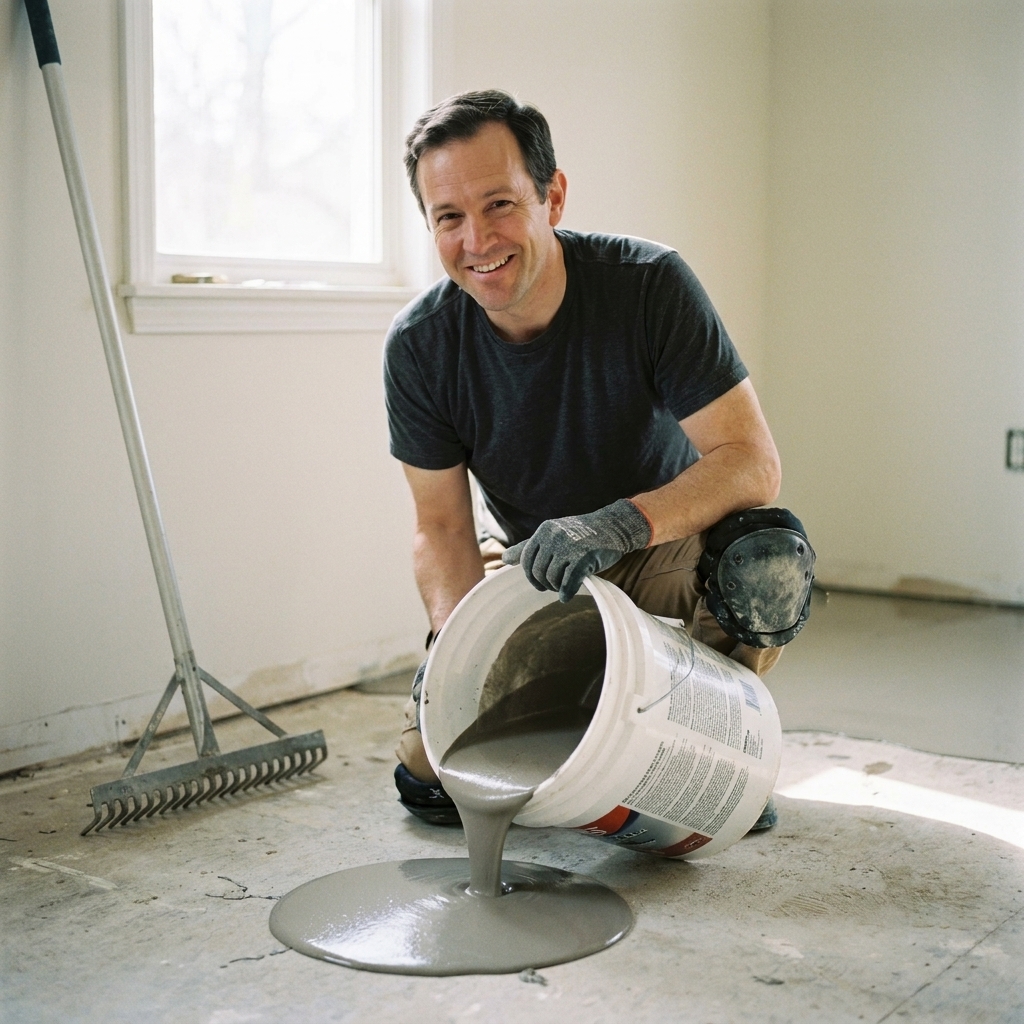
I know, I know. Everyone wants to talk about finishes and colors, and I am over here whispering “subfloor” like a flooring gremlin. But in my experience, prep work is most of the job, and it is even more important with floating floors and resilient goods.
Get the subfloor flat
- Wood subfloors: screw down squeaks, replace damaged areas, patch low spots with a floor patch, and sand high seams.
- Concrete: check for high spots, patch low areas, and follow the manufacturer’s moisture testing and vapor barrier requirements.
Moisture testing
Do not guess on a slab. Manufacturers commonly specify maximum moisture levels and an approved test method. The two you will see most often are in-slab RH testing and calcium chloride. Use whatever your specific floor calls for, and do not install until the numbers are in range.
Control moisture
Eco-friendly does not mean “immune to water.” Use exhaust fans, fix leaks, and avoid installing over chronically damp slabs without an approved moisture mitigation approach.
Protect the surface
- Felt pads on furniture are non-negotiable.
- Use chair mats under rolling desk chairs, especially on cork.
- Doormats reduce grit, which is basically sandpaper with a social life.
Cost and value
Prices swing by brand, thickness, wear layer, and how fancy the finish is, but here are the broad ranges I see most often for materials (not labor):
- Cork: roughly $3 to $8 per square foot, with thicker planks and tougher finishes at the top end.
- Bamboo: roughly $2.50 to $7 per square foot. Strand-woven is often pricier and usually earns it.
- Linoleum: roughly $3 to $7 per square foot for tiles or planks. Sheet goods vary, and the real swing factor is usually installation complexity.
My value advice: buy the best version of the floor you can afford, then install it like you plan to live there for ten years. Skimping on underlayment, moisture protection, or acclimation is how “budget-friendly” becomes “paying twice.”
FAQ
Is linoleum the same as vinyl?
No. Vinyl is typically PVC-based. True linoleum is typically made from natural materials like linseed oil and wood flour on a jute backing. They behave differently and install differently depending on the product format.
Which is best for pets?
For scratch resistance, a high-quality strand-woven bamboo with a strong factory finish is usually the best of the three. Linoleum also does well with claws and cleanup. Cork is the most dent-prone, but it is also the quietest and most forgiving on paws and joints.
Can I put cork, bamboo, or linoleum over radiant heat?
Sometimes, yes, but it is manufacturer-specific. Radiant systems require strict temperature limits and gradual ramp-up. Always follow the flooring manufacturer’s radiant heat guidelines, not a forum thread from 2014.
What is the most DIY-friendly option?
Generally: click-lock cork or click-lock bamboo are the easiest entry points. Linoleum tiles can be very DIY-friendly too. Sheet linoleum is the least forgiving for beginners.
What should I avoid if I want the lowest VOC setup?
Avoid mystery-brand products with no emissions documentation and avoid solvent-heavy adhesives. Look for clearly stated emissions testing (FloorScore, GREENGUARD Gold) and use the adhesive system recommended for that floor.
My bottom line
If you want the softest, quietest floor and you are willing to baby it around water, cork is hard to beat. If you want a wood look with real toughness, bamboo can be excellent, but only if you buy quality and respect acclimation. If you want a classic, durable, genuinely bio-based resilient floor, linoleum is the sleeper pick that deserves more love than it gets.
Whichever direction you go, remember the boring part is the magic part: flat subfloors, moisture control, and careful installation are what turn a “green” material into a long-lasting floor you do not regret.