Durable, scratch-resistant, waterproof flooring picks that stand up to claws, zoomies, accidents, and shedding, with practical DIY buying tips from The Grout...
The Grout Nest
Updated October 17, 2026
LVP vs. Laminate: Which Floating Floor Wins?
Stuck between luxury vinyl plank and laminate? Compare waterproofing, durability, comfort, scratches, cost, and installation tips so you can pick the best floating floor for your home.

Ben Mitchell
Ben Mitchell is a former professional tile setter and passionate home renovator with over 12 years of experience in the flooring industry. After stepping away from commercial contracting, he founded Grout Nest to empower everyday homeowners to tackle their own flooring, tile, and backsplash projects with confidence. He believes that with the right tools, proper prep work, and a little patience, anyone can achieve a professional-grade finish.
If you are shopping for a floating floor, you have probably narrowed it down to two usual suspects: luxury vinyl plank (LVP) and laminate. They can look shockingly similar from five feet away, both promise fast installs, and both will absolutely expose your subfloor sins if you skip prep work. (Ask me how I know. I once floated a floor over “mostly flat” OSB and spent the next week chasing squeaks like a raccoon in the attic.)
This guide breaks down the real differences that matter in a DIY home: waterproofing, durability, comfort, scratches, cost, and install details that can make or break the job.
Quick take
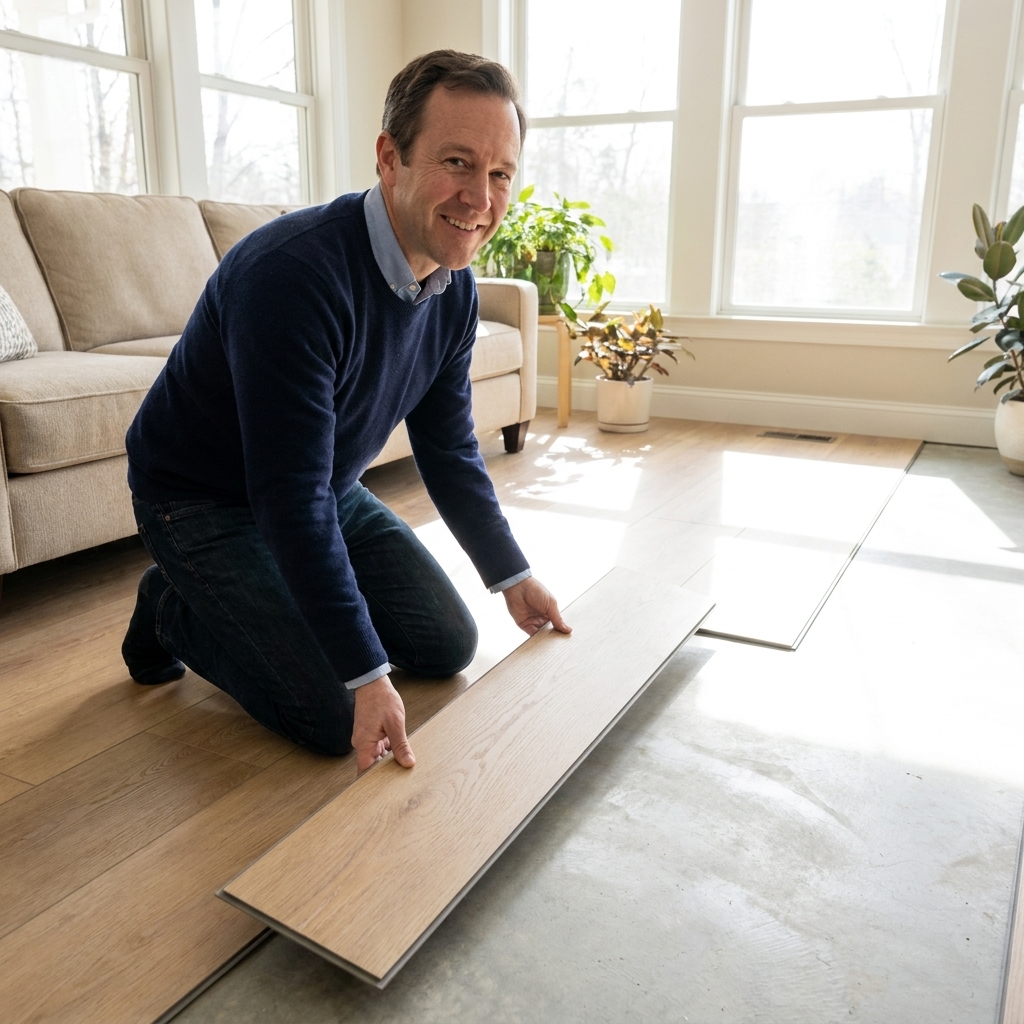
- Choose LVP if you have kids, pets, or water-prone rooms, or you want the most forgiving, low-drama floor.
- Choose laminate if you want the most realistic wood look underfoot for the money and your space stays reasonably dry.
Waterproofing
This is where marketing gets loud, so let us translate it into real life.
LVP: The vinyl itself does not care about water. A quality click LVP floor can handle spills, wet boots, and the occasional “oh no” moment. Where people get burned is assuming “waterproof” means you can ignore the details. Water can still sneak through seams, sit at the edges, and do bad things to the subfloor if it is wood based. Also, if you have a big leak, the floor may survive while your subfloor and trim do not.
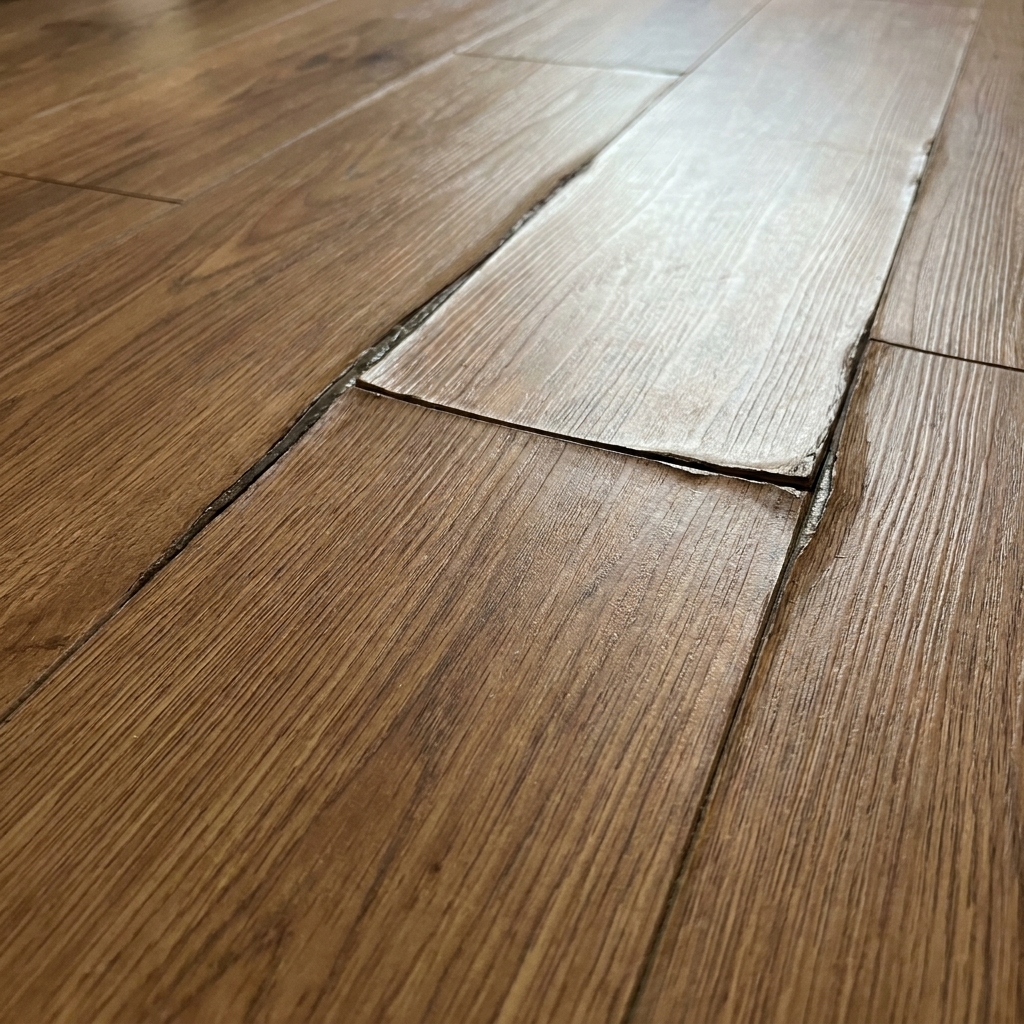
Laminate: Traditional laminate is a wood fiber core. It is happier dry. Newer “water resistant” or “waterproof” laminates are better than the old stuff, mostly due to tighter locking systems, edge sealing, and improved cores. Still, if water sits long enough, swelling at the seams is the classic failure mode. In a bathroom or laundry room, laminate is the option that demands you be honest about your household.
Rule of thumb: For basements, kitchens, entryways, and anywhere you regularly mop or spill, LVP is usually the safer bet.
Durability
Durability is not just “how long will it last.” It is how it behaves when life happens.
LVP durability: Most wear and tear comes down to wear layer thickness and the overall stiffness of the plank. A thicker wear layer generally buys you more resistance to scuffs and abrasion. Stiffer cores (often marketed as rigid core) can bridge minor subfloor imperfections better, but they still need a flat surface. If you have heavy furniture, LVP can dent if the product is soft or if the core is thin.
Laminate durability: Laminate’s top layer is typically very hard. It tends to resist dents from high heels or chair legs better than many vinyl products. The tradeoff is that laminate is less forgiving if water gets involved, and the core can be the weak point if edges get compromised.
Bottom line: Laminate often wins on dent resistance. LVP often wins on “survives the chaos” durability because water is not its kryptonite.
Comfort and sound
The “feel” difference is real, and you will notice it most in socks.
LVP feel: LVP can feel slightly softer and sometimes quieter, especially with a quality underlayment or attached pad. Some rigid LVP can feel a little hollow if the subfloor is not flat or if the underlayment is wrong for the locking system.
Laminate feel: Laminate usually feels more like a traditional hard floor. It can also sound clickier underfoot if you do not use a good underlayment or if the room is big and echoey. The upside is that many people prefer the “wood like” firmness and texture.
If you hate noise: Pay attention to underlayment specs and room acoustics. Rugs, curtains, and soft furniture matter more than you think.
Scratches and pets
Every floor scratches. The question is how easily, and how obvious it looks afterward.
LVP scratch behavior: A good wear layer helps, but vinyl can still show fine scratches in sunlight, especially darker colors or high gloss finishes. On the bright side, LVP does not splinter and it is less likely to chip from an impact. For pets, trimmed nails and door mats do more than any marketing label.
Laminate scratch behavior: Laminate’s top layer is typically very scratch resistant. It often handles dog traffic better than cheaper vinyl. The risk is edge damage if water gets under the surface, plus chipping at corners if something heavy drops just right.
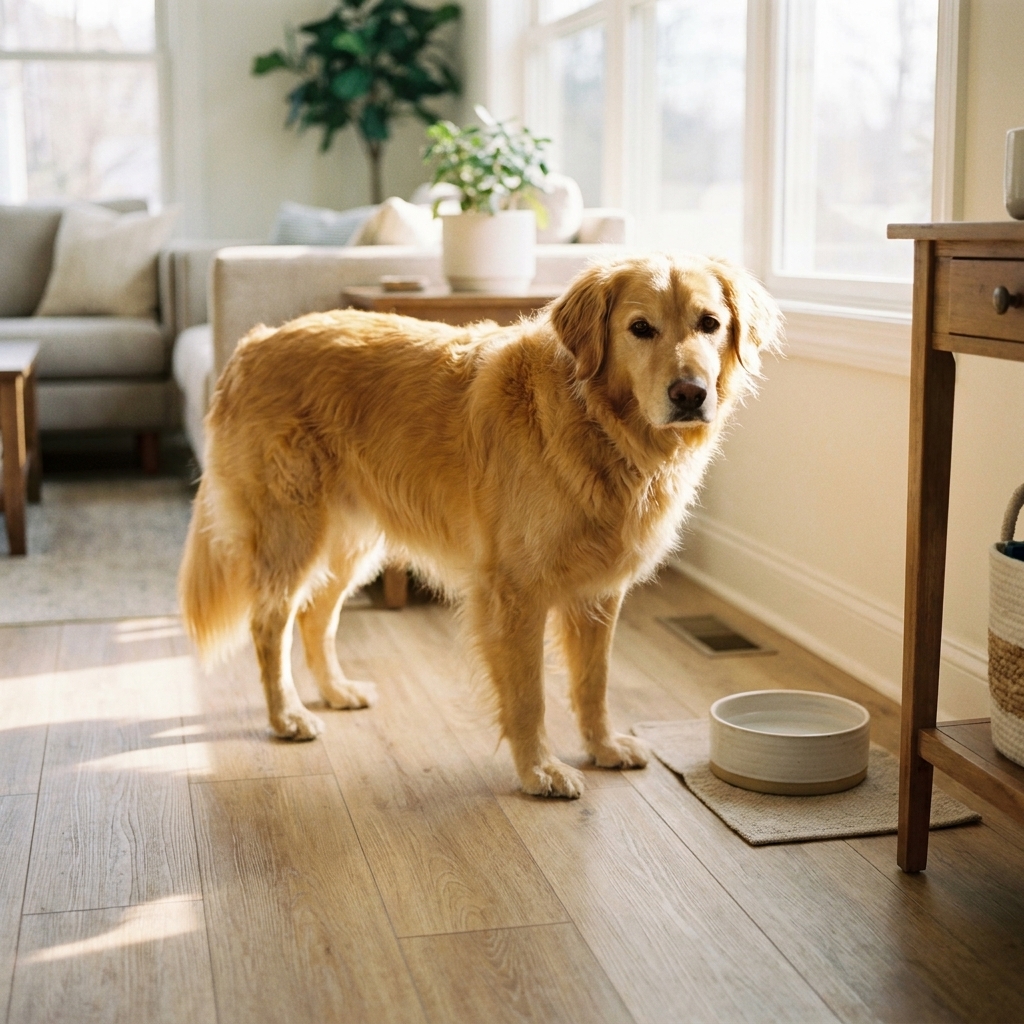
Realistic advice: If you have big dogs and the room stays dry, laminate is a strong contender. If you have big dogs and also a habit of wet chaos, LVP is usually the better stress reducer.
Cost
Sticker price is only part of the bill. The hidden costs are underlayment, prep, and transitions.
LVP pricing: There is budget LVP and there is “wow, this costs like hardwood” LVP. In general, higher quality LVP costs more because you are paying for a better wear layer, better locking system, and better dimensional stability. Some LVP includes an attached pad, which can simplify the cart total.
Laminate pricing: Laminate often gives you a premium look for less money, especially if you want a convincing wood visual and texture. You may need separate underlayment, and you may spend more time dialing in expansion gaps and transitions because laminate is less tolerant of moisture mistakes.
Do not skip the math: Add up underlayment, floor patch, vapor barrier if needed, new baseboards or shoe molding, and transition strips. Prep is where budgets go to die.
Install details that matter
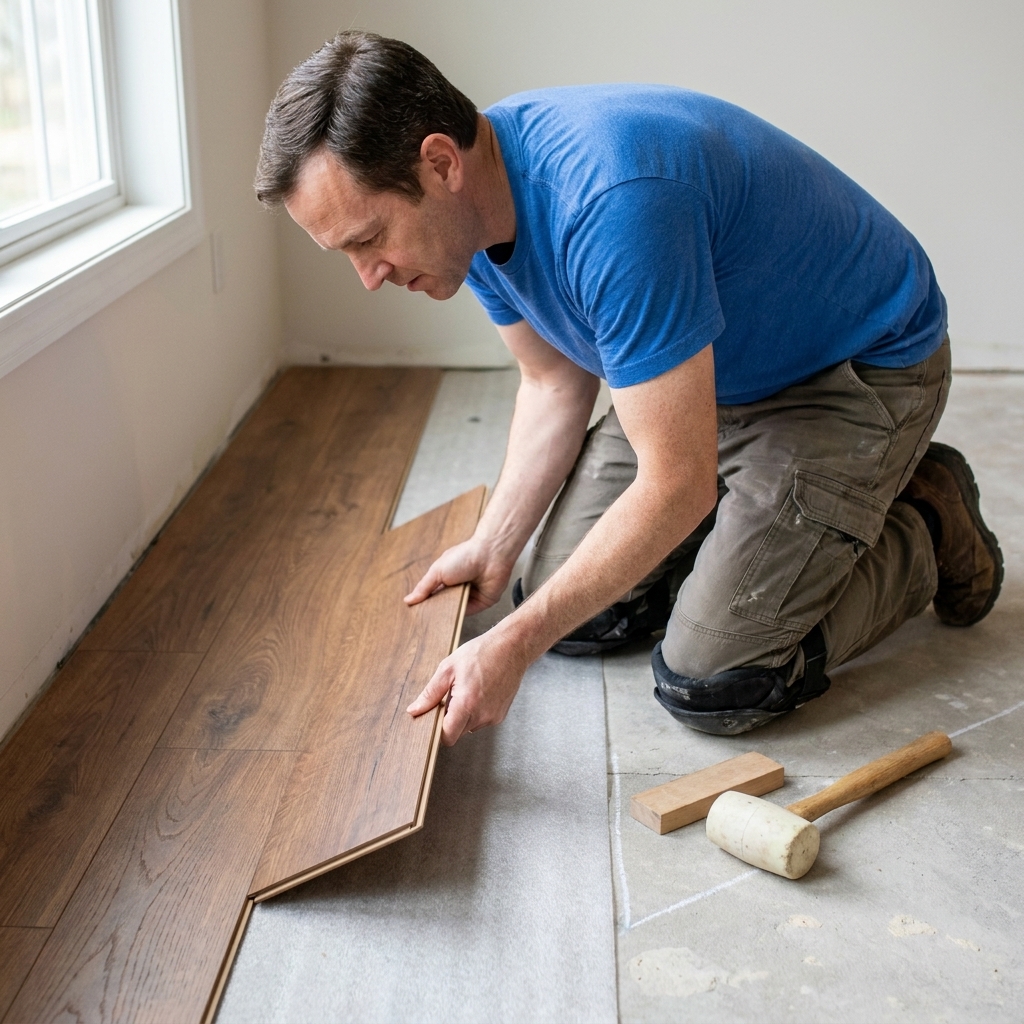
Both products are DIY friendly, and both can punish you if you ignore the boring parts.
Subfloor flatness
Floating floors do not need to be level, but they do need to be flat. High spots create bounce and broken locks. Low spots create flex and squeaks. Check the manufacturer’s flatness spec, then take it seriously with a straightedge. Sand high spots. Patch low spots. Yes, it is annoying. Yes, it matters.
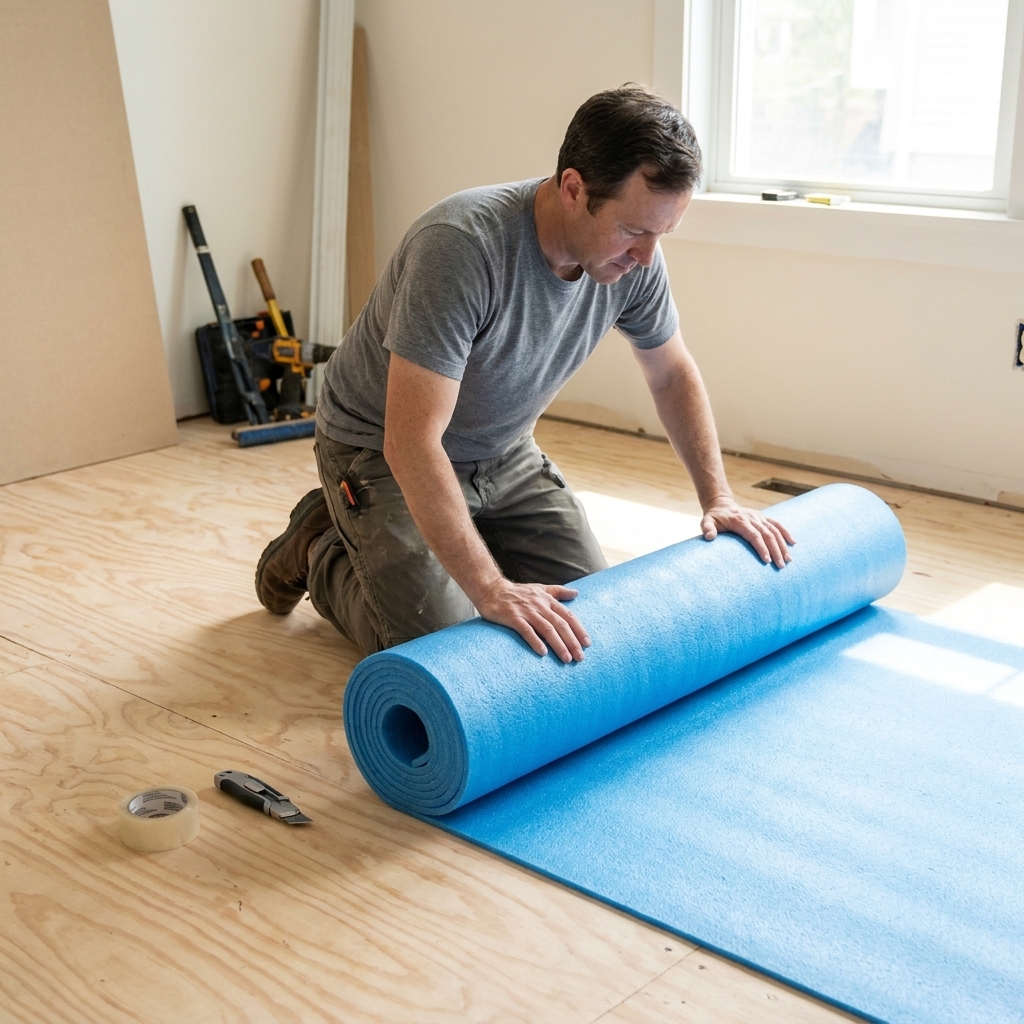
Underlayment and vapor control
Use what the manufacturer recommends. Some LVP floors forbid extra foam underlayment because it can make the joints flex and fail. In basements or over concrete, vapor control can be the difference between “looks great” and “why does it smell weird in here.”
Expansion gaps
Leave the required expansion gap around the perimeter and fixed objects. Floating floors move. If you pinch them tight, they can buckle or separate. The gap is not optional just because it looks fine on day one.
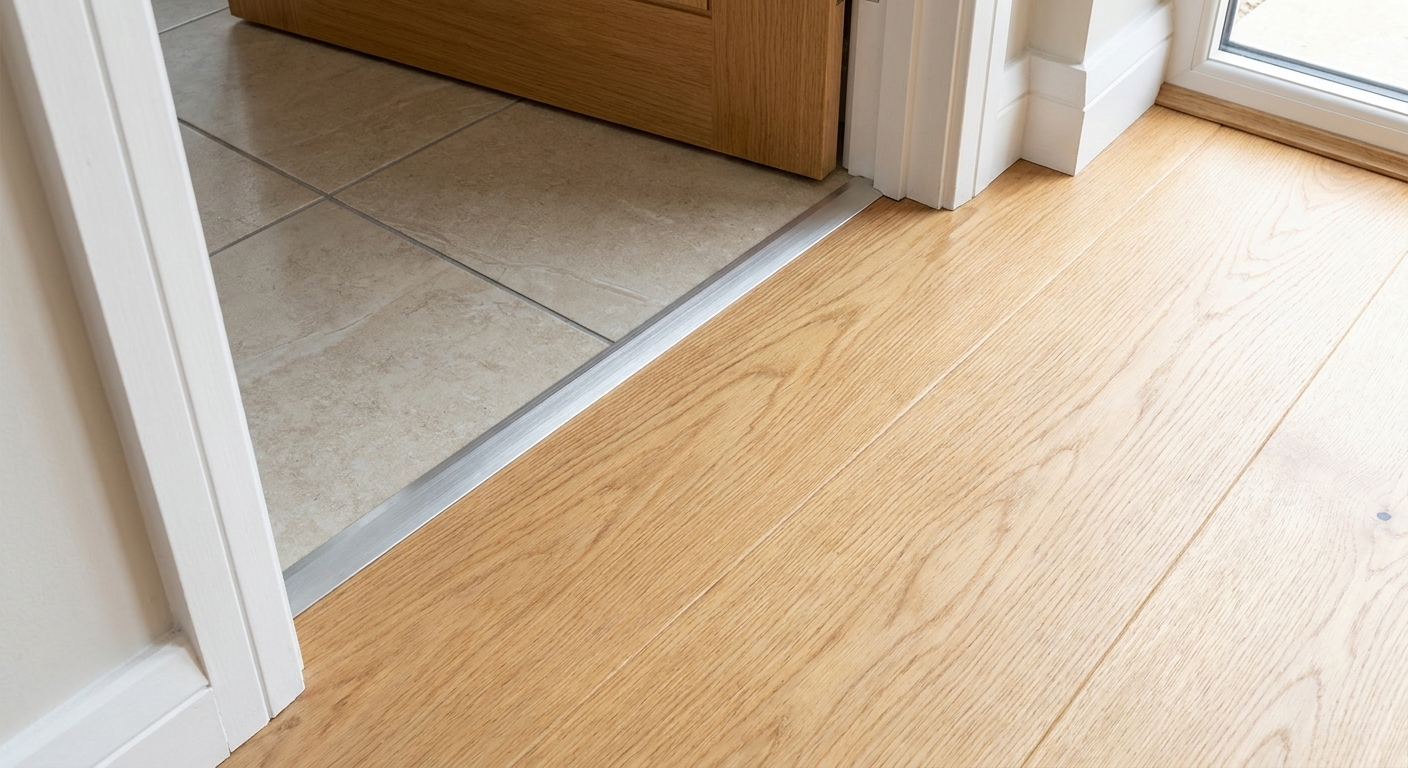
Transitions and doorways
Plan transitions early. Floating floors usually need room to move, and long, continuous runs through multiple rooms can require breaks depending on the product. Doorways are where people get surprised, then they are suddenly driving back to the store in socks.
Heavy cabinets and islands
Many floating floors are not meant to be installed under fixed cabinets or very heavy islands because the weight can pin the floor and stop it from expanding and contracting. If your project includes cabinets, read the install guide before you buy.
Where each one makes sense
Best spots for LVP: basements, kitchens, mudrooms, laundry rooms, rentals, and any home where spills are part of the daily schedule.
Best spots for laminate: living rooms, bedrooms, home offices, and other drier areas where you want a wood-like look and a hard, dent-resistant surface.
If you are undecided: Pick the floor based on the worst day, not the best day. If your “worst day” includes wet boots, pet accidents, or a leaky appliance, LVP is usually the calm choice. If your “worst day” is dragging a desk chair around while you reorganize, laminate may hold up better.
Checklist before you buy
- Confirm subfloor type and condition, then budget time for prep.
- Read the product install guide, especially underlayment and moisture rules.
- For LVP, compare wear layer and core stiffness, not just color.
- For laminate, verify the water warranty terms and what voids it.
- Buy extra planks for repairs and future matching.