A step-by-step grout walkthrough for floor tile: picking grout, mixing it right, floating it tight, and cleaning haze without ruining fresh joints.
The Grout Nest
Published
How Long to Wait Before Grouting Tile
Most tile needs time to set before grout. Here’s how long to wait after thinset, what cool rooms and large-format tile change, and when foot traffic, rugs, and mopping are safe.

Ben Mitchell
Ben Mitchell is a former professional tile setter and passionate home renovator with over 12 years of experience in the flooring industry. After stepping away from commercial contracting, he founded Grout Nest to empower everyday homeowners to tackle their own flooring, tile, and backsplash projects with confidence. He believes that with the right tools, proper prep work, and a little patience, anyone can achieve a professional-grade finish.
The fastest way to ruin an otherwise perfect tile job is to get impatient between steps. I have done it, usually while convincing myself I was “saving time” and not just ignoring the part where mortar is still wet under the tile.
Here’s the clean, practical answer: most floor tile set with cement-based thinset is ready to grout after about 24 hours. But product type (standard vs modified vs rapid-setting), substrate, and jobsite conditions can change that. Cold rooms, poor airflow, large-format tile, and thicker mortar beds can stretch the wait to 48 hours or more.
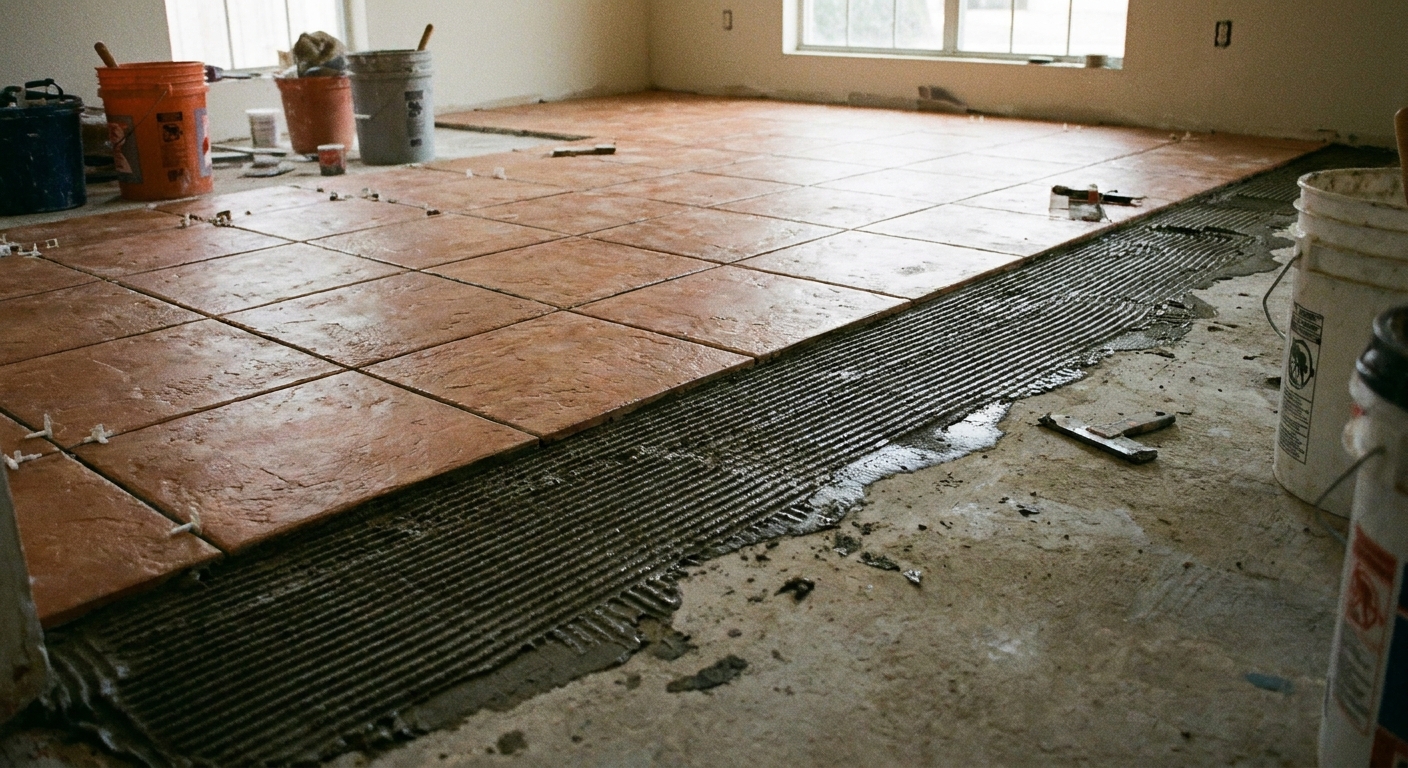
Two clocks to track
Homeowners mix these up all the time, so let’s separate them:
- Mortar set time (before grouting): how long the thinset under the tile needs to harden enough that grouting will not shift tile or force grout into joints while the mortar is still soft.
- Grout cure time (after grouting): how long the grout needs before foot traffic, water exposure, rugs, and normal cleaning are safe.
Those clocks overlap, but they are not the same thing.
Typical wait before grouting
For a standard cement-based thinset mortar on a typical residential floor:
- Minimum common wait: 24 hours
- Safer, more forgiving wait: 24 to 48 hours
- When I automatically lean toward 48 hours: cool rooms, humid spaces, large-format tile, very tight joints, membranes, or a heavier mortar bed from flattening low spots
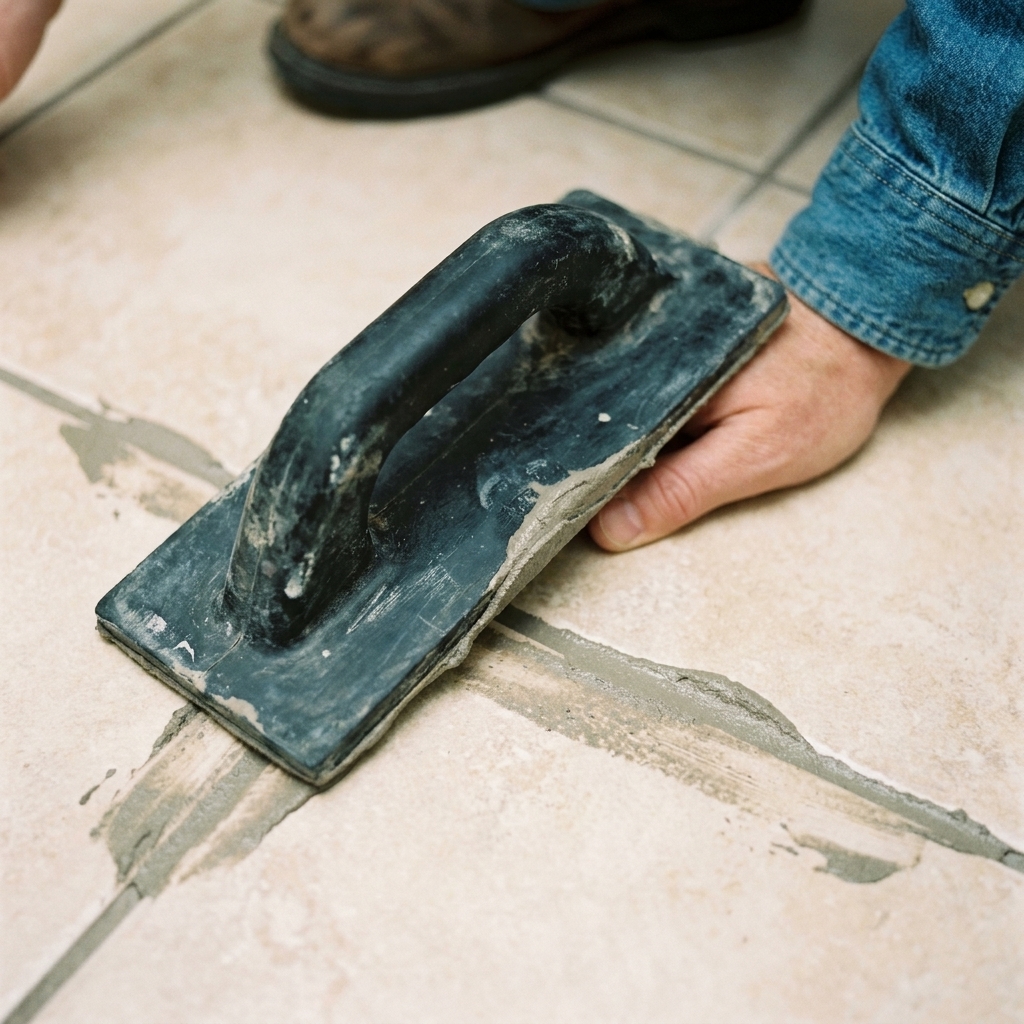
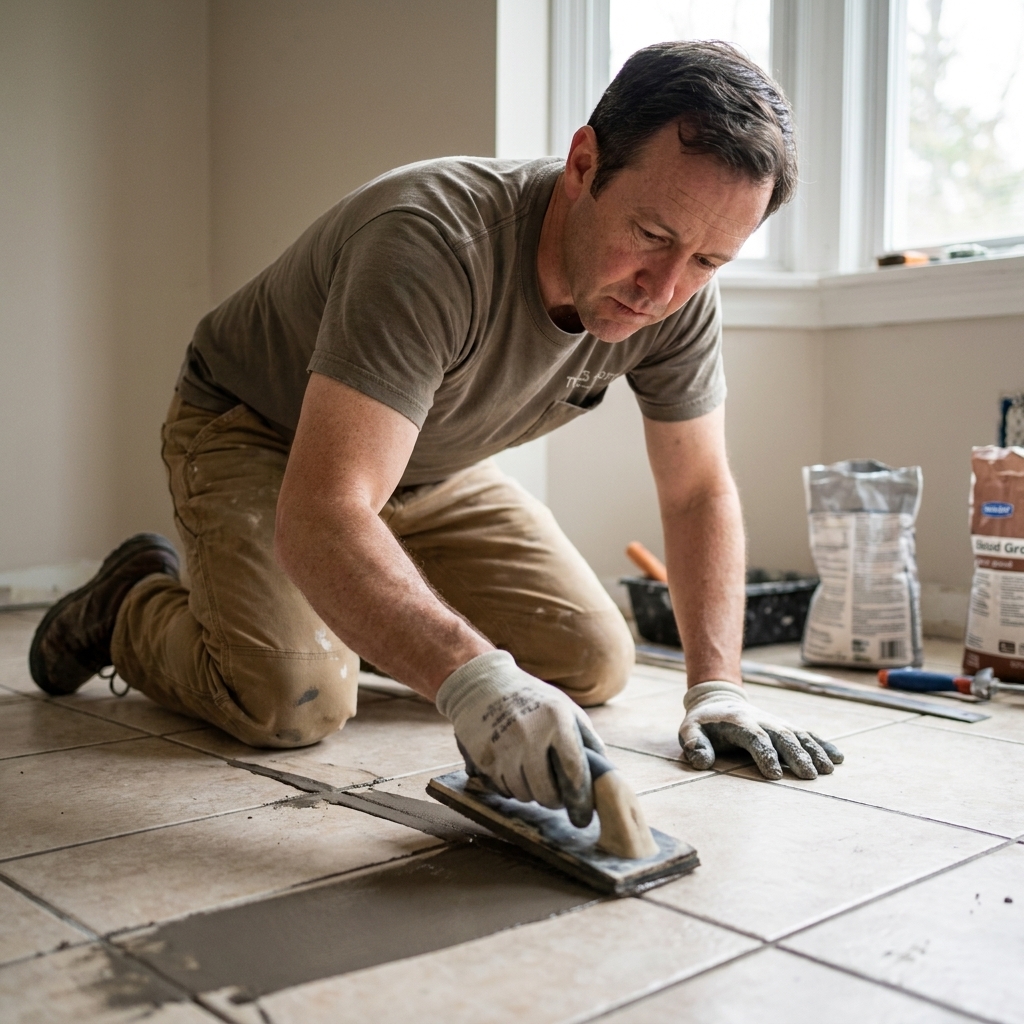
Why 24 hours is the usual baseline: thinset needs time to hydrate and firm up. If you grout too soon, the pressure of packing joints can twist a tile slightly, sink an edge, or disturb the bond under a corner. Even if you do not see it right away, you can end up with lippage that was not there yesterday.
My rule on my own floors: If I can spare the day, I wait 48 hours before grouting. It is cheap insurance compared to re-setting a few tiles because I got impatient.
What can slow it down
Cool temps and high humidity
Thinset cures through a chemical reaction, but temperature, humidity, and airflow still matter. In a cool room, everything slows down. In a damp space with poor airflow, moisture hangs around longer, which can delay firming up.
- If the room is cool: I start thinking 48 hours before grouting instead of 24.
- Watch the minimum temperature on the bag: many mortars list a minimum around 50°F for ambient and substrate temperatures. Below that, curing can get unreliable. Warm the space first, then set and cure according to the manufacturer guidance.
Large-format tile
Large-format tile is often porcelain, which is typically less absorptive than many ceramics. It also covers more surface area and is commonly installed with a larger trowel and more mortar. That combination can slow moisture movement and make some mortars take longer to firm up, especially under the center of the tile.
- For large-format floor tile: 24 hours is sometimes fine, but 48 hours is often smarter, especially if you used a 1/2 inch notch, back-buttered heavily, or built up low spots.
Tight joints
Very tight grout joints can make grouting feel more “fussy,” and depending on the grout and your float technique you may end up pressing harder than you expect. More pressure raises the odds of shifting tile if the mortar is not ready.
Membranes and non-absorptive surfaces
Uncoupling membranes and waterproofing membranes are common and they are great products. But they do not absorb moisture the same way cement board does. That can change how the thinset behaves, especially when you have impervious tile on top.
One key nuance: some modified mortars need time to dry as well as cure. Sandwiched between a membrane and porcelain tile, that process can take longer than people expect.
Bottom line: check the mortar bag for “time to grout” and any notes about impervious tile or membranes, and when in doubt, give it an extra day.
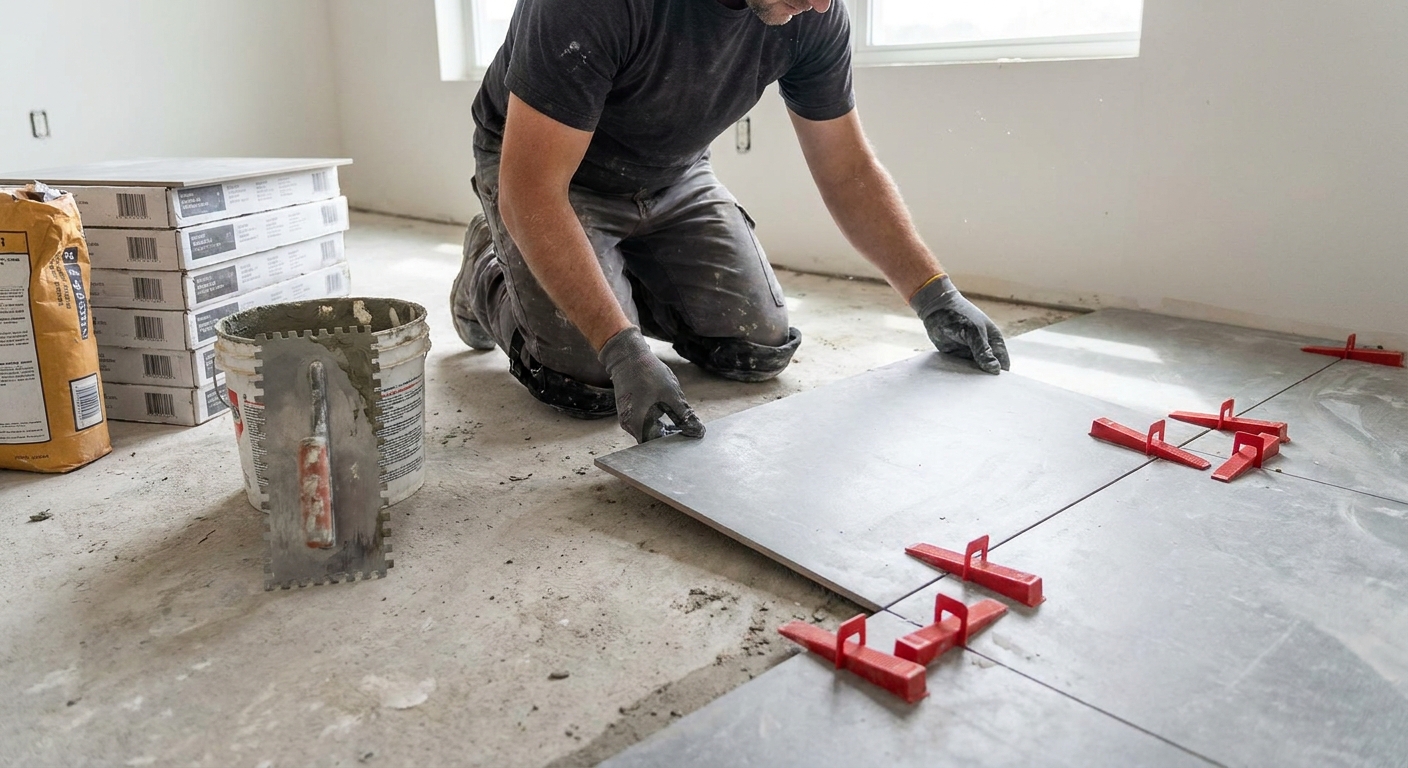
Rapid-setting thinset
Rapid-setting thinset is the exception that trips people up. Some rapid-set mortars really can be grouted in a few hours, but only if you follow that specific system, mix ratio, and temperature range. If your bag says “grout after 2 to 4 hours,” that can be legit. If it does not, do not assume it is rapid just because the project is moving fast.
How to tell it is ready
I like timelines, but I also like reality checks. Before you grout, confirm these:
- Tiles feel locked in: try to wiggle a tile at an edge or corner with firm hand pressure. There should be zero movement.
- No spongy feel: step gently in several spots. If you feel a soft, shifting sensation, stop and wait.
- Thinset in the joints is firm: scrape a small spot in a joint with a utility knife. It should be hard, not gummy.
If anything feels questionable, waiting 24 more hours is almost always the right move.
Do not disturb the floor
Before you grout, avoid heavy traffic, rolling loads, and anything that vibrates the floor. If you are using a leveling clip system, do not rush clip removal either. Kicking clips off too early can disturb tile that is still setting up underneath.
Mastic and premixed adhesive
If you set tile with a premixed adhesive (often called mastic), do not use the thinset timeline above. Mastic cures primarily by drying, and drying time can jump dramatically under large tile or in humid rooms.
Follow the label on the specific bucket you used. Some applications can take days to fully dry, especially with porcelain tile or large-format tile that blocks airflow.
If you are not sure what you used: thinset comes as a powder you mix with water, while mastic is premixed in a bucket.
After you grout
Once grout is in, you start a new clock. Times vary by grout type and brand, but these are common expectations for cement-based grout (sanded or unsanded). Treat these as rules of thumb and default to your grout manufacturer’s instructions if they differ.
Foot traffic
- Light foot traffic: often around 24 hours
- Heavier traffic and moving things back: give it 48 to 72 hours when possible
If it is a bathroom, I tell people to plan like this: grout today, walk on it tomorrow carefully, and put the vanity or toilet back after another day if you can.
Rugs and mats
Rugs and mats trap moisture and can discolor curing grout. They also block airflow, which grout appreciates early on.
- Conservative rug timeline: wait at least 72 hours
- Even better: 7 days, especially with darker grout colors or humid homes
Damp cleaning
Grout does not like early soaking. A lightly damp microfiber wipe is usually fine once the grout has firmed up, but “mopping” that leaves water sitting in joints is too soon.
- Light damp wipe: often after a few days
- Normal mopping with more water: around 7 days is a common conservative target
If your grout manufacturer states different times, use those. Grout chemistry varies.
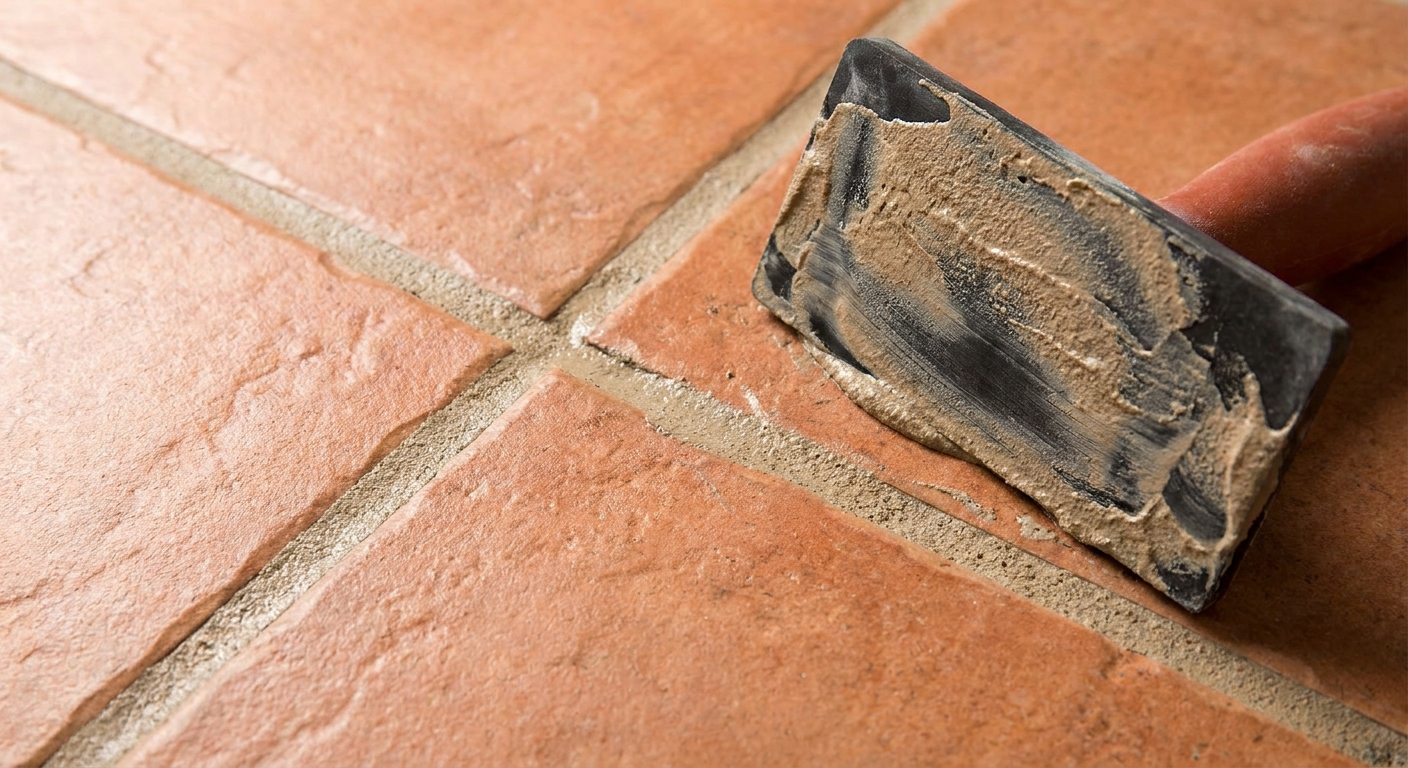
Epoxy and specialty grouts
Epoxy grout is its own animal. Some epoxy and specialty grouts can handle traffic sooner than cement grout, but many still have specific cure times and strict wash windows.
Because the stakes are high with epoxy and specialty products, my advice is simple: follow the exact times printed on the grout you bought, not a generic rule of thumb.
Quick timeline
Assuming cement-based thinset and cement-based grout, typical indoor conditions:
- Wait before grouting: 24 hours (48 hours if cool, humid, over membranes, or large-format tile)
- Light foot traffic after grouting: 24 hours
- Rugs and mats: 72 hours minimum, 7 days preferred
- Light damp wipe: after a few days
- Normal mopping: about 7 days
If anything is cool, slow, or questionable, add time. I have never gotten a callback because a homeowner waited an extra day. I have seen plenty because they did not.
Mistakes to avoid
Grouting too soon
This shows up as uneven grout joints, new lippage, or a tile that sounds hollow later because the bond was disturbed.
Trapping moisture under porcelain
Porcelain tile over membranes can stay wetter underneath longer than you think, especially with modified mortars. Waiting an extra day before grouting helps that mortar stabilize.
Covering fresh grout with a rug
I get the instinct. But rugs can trap moisture and cause blotchy curing, especially with dark grout colors.
Cleaning too early
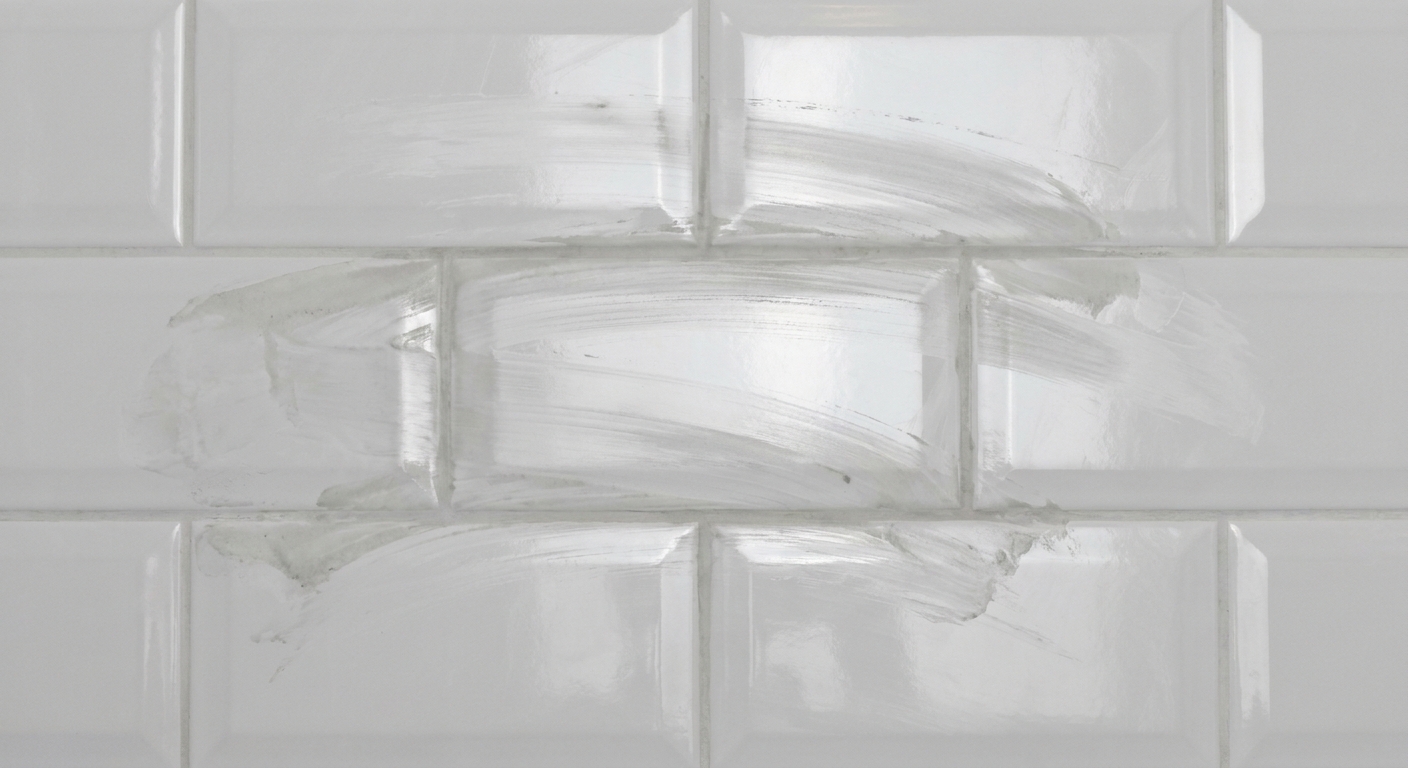
Early water can weaken the surface and pull pigment. If you must clean, do a careful wipe with a well-wrung microfiber, not a sloppy mop and bucket.
FAQ
Can I grout the same day I set tile?
Almost never for a floor. Unless you are using a specific rapid-setting system designed for it and you follow that product’s instructions, same-day grouting is a great way to shift tile.
What if the thinset says ready for grout in 16 hours?
Believe the mortar bag, but also respect your jobsite conditions. In a warm, dry room with smaller tile, that might be realistic. In a cool basement with big porcelain over a membrane, I would still lean longer.
Does wall tile follow the same rules?
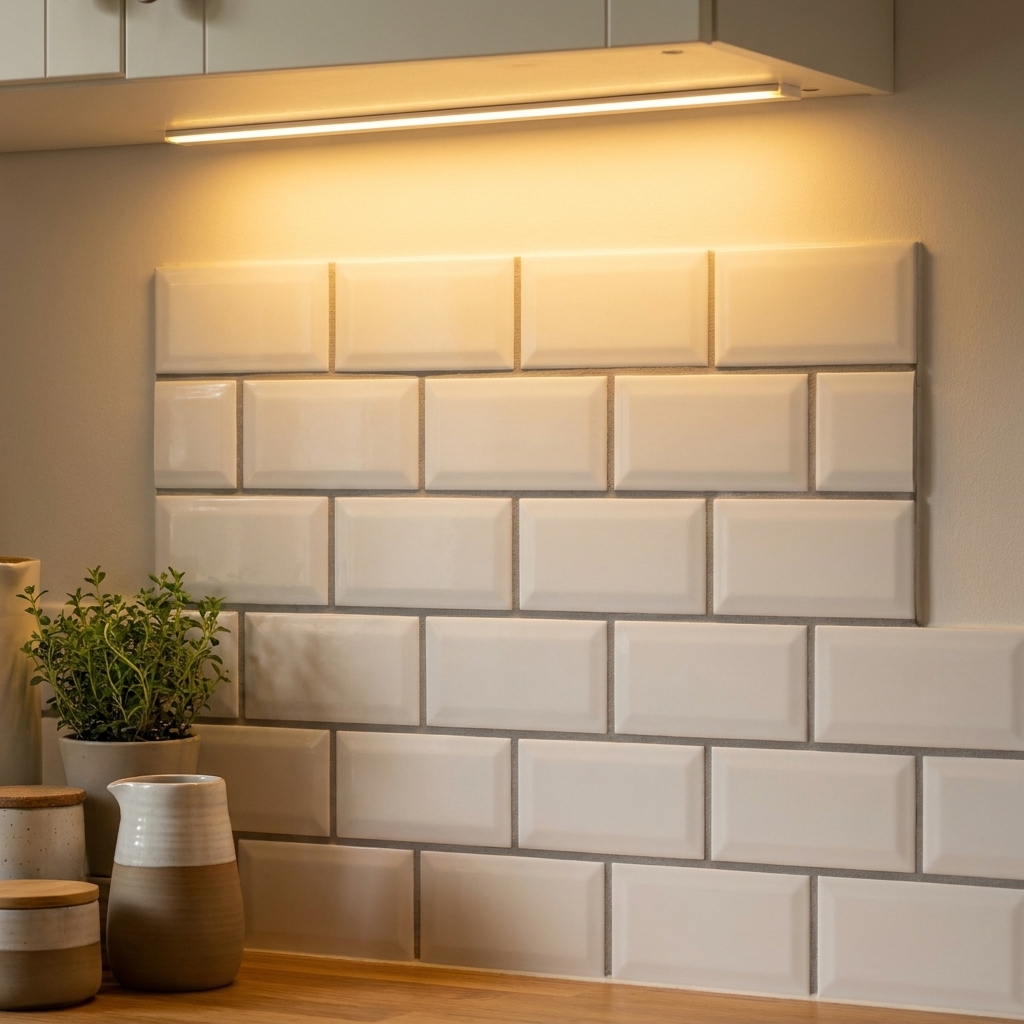
Similar, but walls often use smaller tile and thinner mortar beds. Many wall installs can be grouted at 24 hours without issue, but the mortar label still wins.
What if I already grouted too soon?
If tiles have not shifted and everything feels solid the next day, you might be fine. If you notice lippage that was not there, loose tiles, or cracking grout, address it early. Pulling and resetting a couple tiles now beats living with a failure that spreads.