A DIY-focused comparison of porcelain and ceramic tile covering price, durability, water absorption standards, slip ratings, maintenance, and how hard each i...
The Grout Nest
Updated October 17, 2026
PEI Ratings Explained: Choosing Durable Floor Tile
Learn what PEI wear ratings (abrasion class) really mean, where they apply, and how to pick tile that can handle your room’s traffic, grit, pets, and daily life.

Ben Mitchell
Ben Mitchell is a former professional tile setter and passionate home renovator with over 12 years of experience in the flooring industry. After stepping away from commercial contracting, he founded Grout Nest to empower everyday homeowners to tackle their own flooring, tile, and backsplash projects with confidence. He believes that with the right tools, proper prep work, and a little patience, anyone can achieve a professional-grade finish.
If you have ever stood in the tile aisle holding two “porcelain floor tiles” that look equally bulletproof, you have already met the problem: looks are not durability. And marketing words like “heavy duty” or “commercial grade” are about as precise as my old foreman yelling “mix it thicker” from across a dusty jobsite.
That is where PEI ratings come in. When they are provided (and used correctly), they are one of the clearest hints you will get about how well a glazed tile surface stands up to abrasion from shoes, sand, grit, dog nails, chair legs, and the slow grind of everyday life.
Let’s decode what PEI does, what it does not do, and how I recommend choosing a rating that matches the room you are actually living in.
What PEI measures
PEI stands for the Porcelain Enamel Institute, and in tile-world it is commonly used as shorthand for a tile’s glazed surface abrasion class.
Important nuance: the abrasion class itself comes from standardized testing (often shown on spec sheets under ASTM or ISO methods, like ISO 10545-7 / EN 154). Some brands label the result as “PEI,” others call it “abrasion class.” Either way, the idea is the same: how well the glaze layer resists visible wear from abrasion.
In plain DIY language: PEI is about the wear layer on top. It is not a full durability report card for the whole tile.
PEI is not “porcelain”
A tile can be porcelain and still have a glaze that scuffs, dulls, or shows a “traffic lane” if that glaze is not suited for the abuse you are putting it through. PEI is focused on the surface, not the tile body underneath.
PEI classes run 0 to 5
You will usually see this as Class 0 to Class 5. Some retailers show it as 1 to 5, with “0” (or “no class”) meaning wall-only.
- Class 0: No foot traffic. Wall tile only.
- Class 1: Very light traffic (think: barefoot bathrooms).
- Class 2: Light traffic (residential spaces with gentle use).
- Class 3: Moderate traffic (many residential floors).
- Class 4: Heavy traffic (busy homes, light commercial).
- Class 5: Very heavy traffic (commercial, public spaces).
Manufacturers and retailers do not always list this consistently. Still, if you have an abrasion class in front of you, it is worth understanding.
The catch: glazed surfaces
This is the part that trips up a lot of smart homeowners.
PEI primarily applies to glazed tiles. If your tile is unglazed porcelain (color runs through the body) or a through-body style, PEI may not be listed because there is no glaze to wear through. That does not mean it is weak. It means the metric is not aimed at that product.
Also worth saying out loud: even unglazed tile can change over time. Texture can polish down in traffic paths and dirt can “burnish” into rough surfaces if you do not stay on top of cleaning. It is not the same as wearing through a glaze, but you can still see age.
If you are shopping for unglazed porcelain, you will get more useful info from:
- Slip resistance (DCOF in many U.S. listings, or other regional tests like R-ratings or pendulum/ PTV)
- Water absorption (porcelain vs ceramic behavior)
- Breaking strength (load resistance)
- Manufacturer intended use and warranty
But for the common DIY scenario of a glazed porcelain wood-look plank or a glazed ceramic floor tile, abrasion class is absolutely relevant.
Picking PEI by room
Instead of guessing “how much traffic” a room gets, I like to think in terms of grit and repetition. Grit is what scratches. Repetition is what turns small scratches into a visible path.
These are rule-of-thumb recommendations. If a manufacturer’s spec sheet says a tile is not intended for a floor (or limits it to certain settings), believe the spec sheet over anything you read online, including me.
Bathrooms
- Guest bath, adults only, mostly barefoot: Class 2 can work, Class 3 is safer.
- Main bath with kids: Class 3 is a solid baseline.
- Bath connected to outdoors or pool: Class 3 to 4, and prioritize traction.
Bathroom floors are not always “high traffic,” but they can be high grit if people walk in with sandy feet.
Kitchens
Kitchens are sneaky. You are not just walking. You are pivoting, shuffling, sliding stools, and grinding whatever came in on shoes into the surface.
- Most kitchens: I generally recommend Class 4 for peace of mind.
- Low-traffic kitchen, shoes-off household: Class 3 can work, but Class 4 is a safer long-term bet.
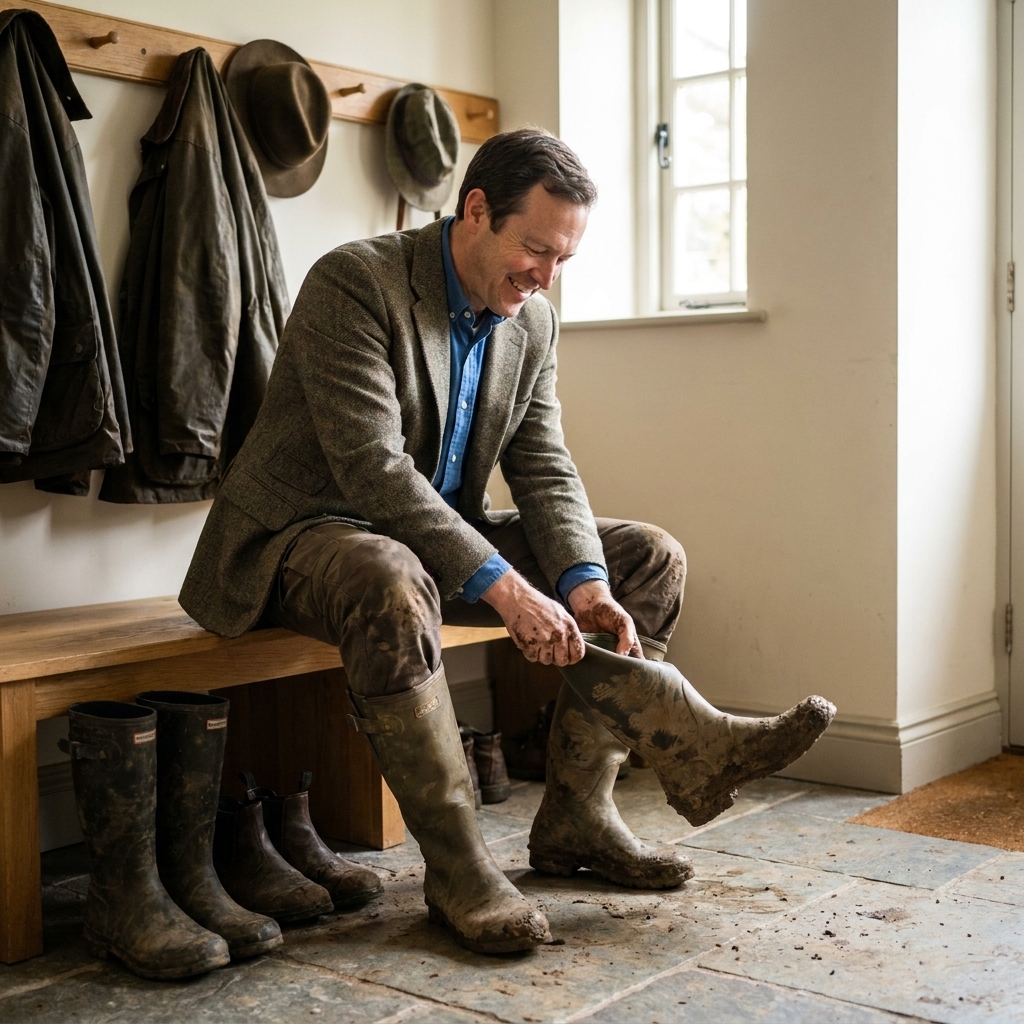
Entryways and mudrooms
If there is one place I see the wrong tile chosen, it is the entry. People walk in with grit and act like a human belt sander.
- Entries and mudrooms: Class 4 is a strong minimum. Consider Class 5 if you have heavy boots, pets, or constant in and out.
- Laundry room with an exterior door: treat it like an entry, not a closet.
Living rooms and hallways
- Living rooms (no exterior door dumping grit): Class 3 to 4 is usually plenty.
- Hallways: Class 4 is often the safer bet because traffic is concentrated in a narrow path.
“Public” zones in a home
If you host often, have big dogs that run laps, or your house is basically a revolving door of family and neighbors, step up a class.
- Busy household, big dogs, frequent entertaining: Class 4 to 5.
My rule of thumb: if you are torn between two classes, go up one. The price difference is usually smaller than the cost of regret.
PEI 3 vs PEI 4
This is the most common fork in the road because both get marketed for “residential floors.” Here is how I call it.
Go with Class 3 when
- The room is mostly low grit (no exterior door, no sandy shoes).
- You are consistent about doormats and no shoes habits.
- You use felt pads and avoid dragging furniture.
Go with Class 4 when
- The room sees daily shoes or kids running in from outside.
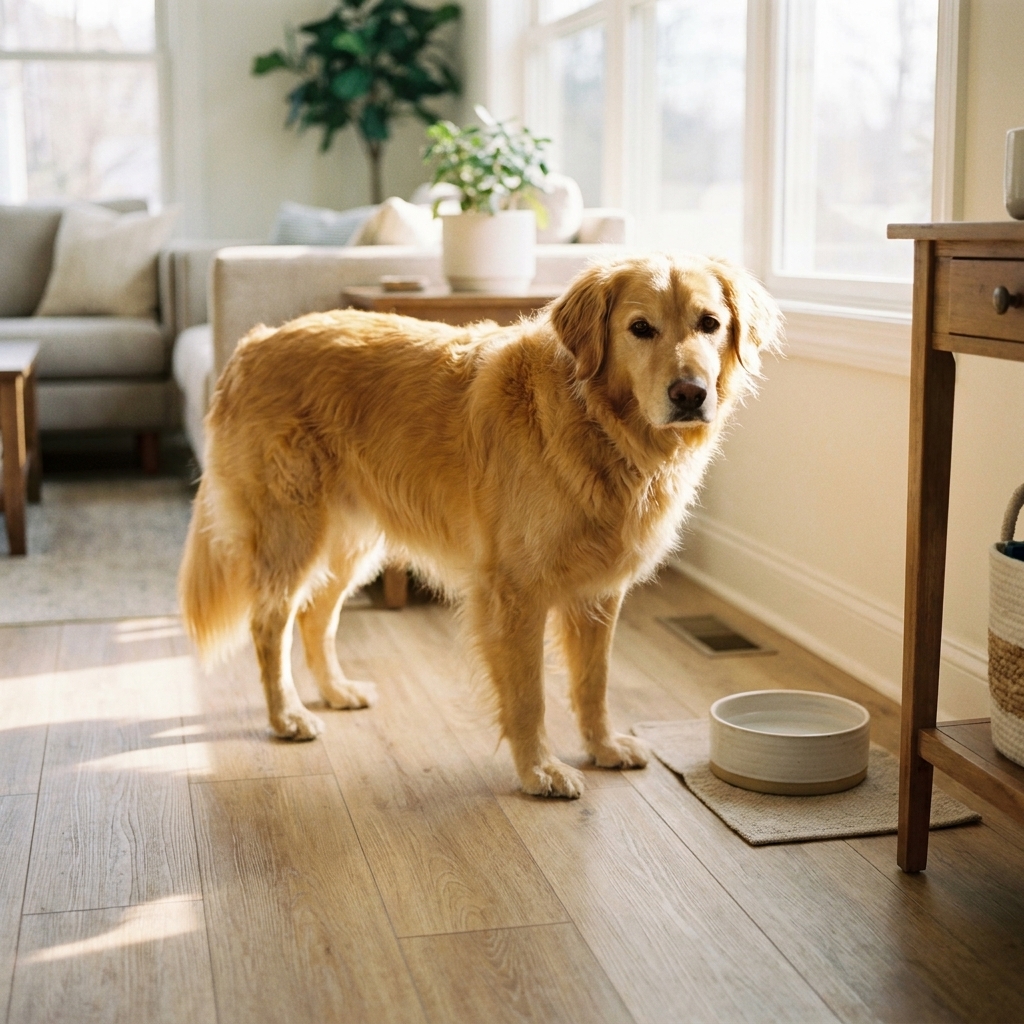
- You have pets whose nails click across the floor.
- The room is a hallway, kitchen, entry, or open-plan space where traffic concentrates.
For most DIY installs where you want a floor that stays looking good, Class 4 is a very safe place to land.
What PEI does not tell you
I have seen homeowners buy a “high PEI” tile and still end up disappointed. That is because abrasion class is just one piece of the floor-tile puzzle.
1) Slip resistance
A tile can resist abrasion and still be slick when wet. In many U.S. listings you will see DCOF. In other regions you may see other standards (R-ratings or pendulum/ PTV results). Whatever format you get, make sure the tile is actually rated for your use, especially in wet areas.
2) Scratch hardness and impact
PEI is about visible wear from abrasion. It is not the same thing as scratch hardness (often discussed as Mohs) and it is not an impact or chip-resistance score. A floor can “wear well” and still chip if you drop a cast-iron pan on the wrong corner.
3) Stain and chemical resistance
Especially in kitchens, a tile that hides wear but stains easily is not a win. Light-colored grout plus a stain-prone surface is a classic “looks great for a month” combo.
4) Tile body strength and your subfloor
PEI is not a breaking-strength test. If you expect heavy point loads (like a refrigerator rolling in and out) or you are installing over a questionable floor, look at the manufacturer specs and make sure your subfloor meets deflection requirements. Prep work is most of the job, and floors love to punish shortcuts.
5) Texture and cleanability
Heavily textured tile can be grippy, but it can also trap grime. In entries and kitchens, consider how you will actually mop it on a Tuesday night when you are tired.
6) Grout can make or break the floor
A lot of “my tile failed” complaints are really grout problems: staining, erosion, cracking from movement, or just choosing a grout that was never a good match for the space. In high-mess zones, grout choice, sealers (when needed), and routine cleaning can dominate how “durable” the whole floor feels.
How to find the PEI class
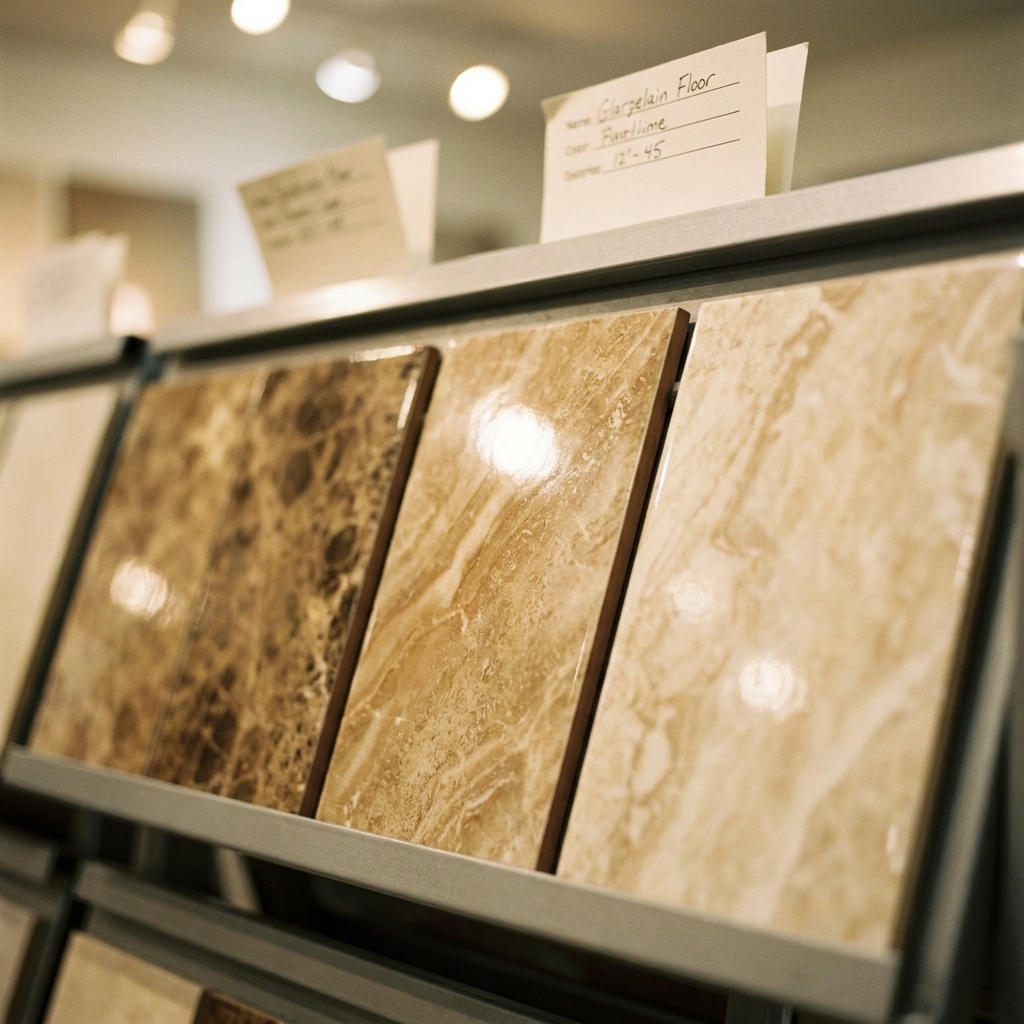
Sometimes it is printed right on the box or product page. Sometimes it is buried like a treasure you do not want.
- Check the carton label: Look for “PEI” or “abrasion class” with a number.
- Pull up the spec sheet: Many manufacturers provide a PDF listing abrasion resistance (often tied to ASTM or ISO test methods).
- Ask for the technical data sheet: If a retailer cannot provide it, treat that as a yellow flag.
- Confirm the exact finish: Some collections have multiple finishes, and performance can differ.
If you cannot find PEI, look for a clear intended-use statement like “suitable for residential floor” or “light commercial floor,” and confirm the warranty matches your application. When in doubt, ask the manufacturer directly. The email you send now is cheaper than replacing tile later.
Quick cheat sheet
If you want the simplest possible guidance, here is what I would tell a friend standing in the aisle with a cart full of tile and a slightly panicked look.
- Walls: Class 0 to 1 is fine.
- Bathroom floors: Class 3 (Class 2 only for very gentle, low-grit bathrooms).
- Living rooms: Class 3 to 4.
- Hallways: Class 4.
- Kitchens: Class 4.
- Entries and mudrooms: Class 4 to 5.
- Busy homes, pets, lots of company: lean Class 4 to 5.
And yes, you can use a higher class tile in a lower traffic area. The main tradeoff is usually cost and sometimes style options.
Mistakes to avoid
Buying wall tile for a floor
Wall tile can be beautiful, but many wall tiles are not built for foot traffic. If it is not explicitly floor-rated, do not assume it is okay just because it is ceramic or porcelain.
Underestimating grit at exterior doors
A “low traffic” entry is still an entry. Dirt, sand, and tiny rocks do the damage.
Ignoring the finish
A polished or high-gloss glazed surface can show wear sooner, especially in dark colors. Matte finishes often hide abrasion better, even within the same abrasion class.
Blaming the tile for a prep problem
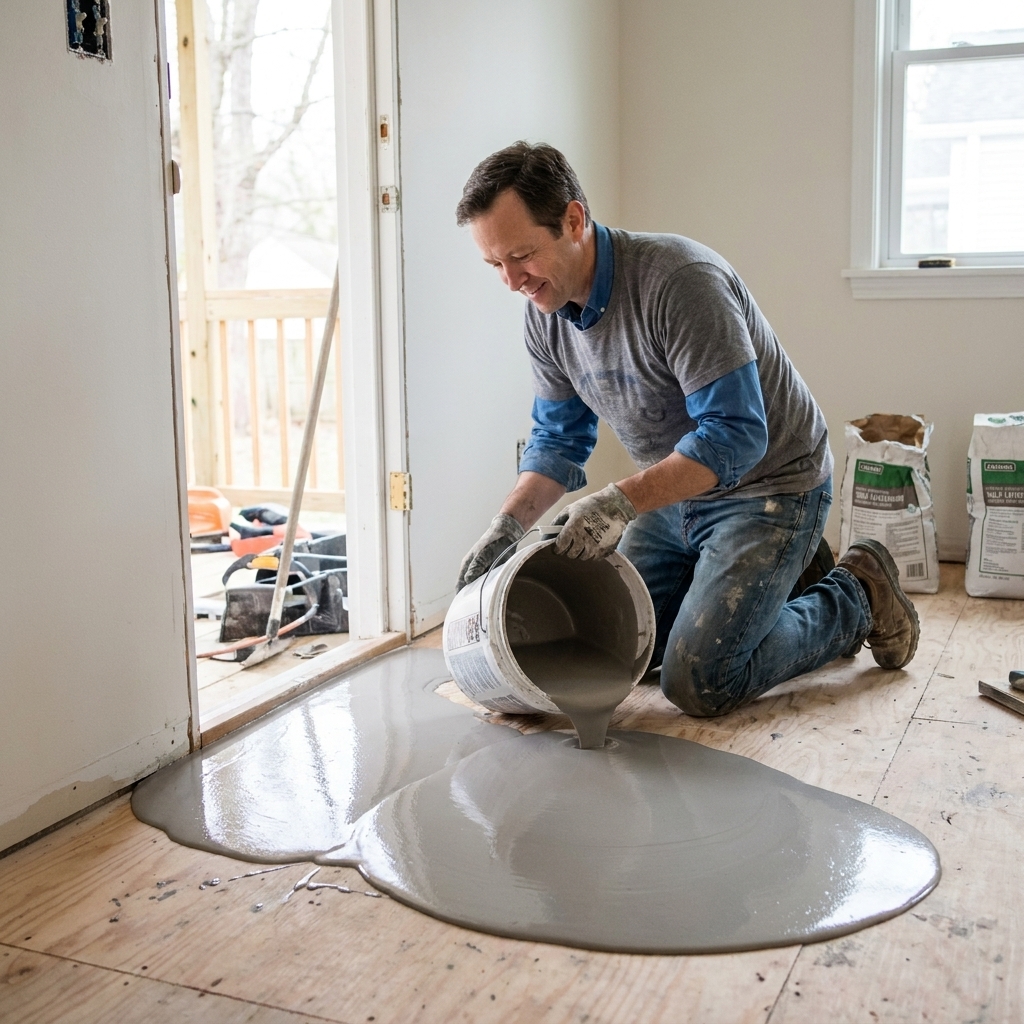
Lippage, cracked grout, and hollow-sounding corners are often installation issues, not PEI issues. Flat substrate, proper trowel coverage, movement joints, and cure time matter.
FAQ
Is Class 3 good enough for a kitchen?
It can be, especially in a low-grit household with good mats and consistent cleaning. In many real homes, I recommend Class 4 for kitchens because abrasion builds up fast where you pivot, shuffle, and slide stools.
Is Class 4 “commercial grade”?
Sometimes it is marketed that way. The better way to think about it is higher abrasion resistance for the glazed surface. Class 4 is a strong choice for busy residential areas and some light commercial settings.
What is the most durable tile for floors?
Durability is a combo of the tile body, the surface, and the install. In general, porcelain is a great floor choice due to low water absorption and strength. For glazed porcelain, look for a tile rated for your application, and in high-wear areas a Class 4 or 5 abrasion rating is a smart target.
Does PEI matter for wood-look porcelain planks?
If they are glazed, yes. Many wood-look porcelains are glazed, so the abrasion class is relevant. If the product data lists PEI or abrasion class, use it.
Can I use Class 5 tile everywhere?
Yes, if you like the look and it meets your traction needs. Higher abrasion resistance does not automatically mean better slip resistance, so check wet-area suitability.
Bottom line
PEI ratings (abrasion class) are one of the best reality checks you can use when picking floor tile, especially for glazed products. Match the class to the grit and repetition of the space, not just the square footage.
If you want my no-regrets approach: aim for Class 4 for most floors, consider Class 5 for entries and truly busy homes, and do not forget the unglamorous stuff like mats, felt pads, and regular grit removal. That is the quiet secret to floors that still look sharp long after the thinset dust has settled.