Stop guessing at “tough enough” tile. Decode PEI ratings, match them to real foot traffic, and avoid common durability mistakes in kitchens, entries, and...
The Grout Nest
Updated October 17, 2026
Porcelain vs. Ceramic Tile
Porcelain vs. ceramic tile: Compare cost, durability, water absorption, ratings, maintenance, and DIY cutting difficulty so you can pick the right tile for floors, showers, and backsplashes.

Ben Mitchell
Ben Mitchell is a former professional tile setter and passionate home renovator with over 12 years of experience in the flooring industry. After stepping away from commercial contracting, he founded Grout Nest to empower everyday homeowners to tackle their own flooring, tile, and backsplash projects with confidence. He believes that with the right tools, proper prep work, and a little patience, anyone can achieve a professional-grade finish.
If you have ever stood in the tile aisle holding two nearly identical samples and thought, “Why is this one twice the price?” you are in good company. Porcelain and ceramic tiles can look the same on the surface, but they behave differently once you start cutting, setting, and living on them.
I spent years setting tile professionally, and I still see DIYers get tripped up by this choice. Not because one is “good” and one is “bad,” but because the best tile depends on where it is going and how you plan to install it. Let’s break it down in plain language, with the stuff that actually matters when you are the one paying for the materials and pushing the wet saw.
The quick difference
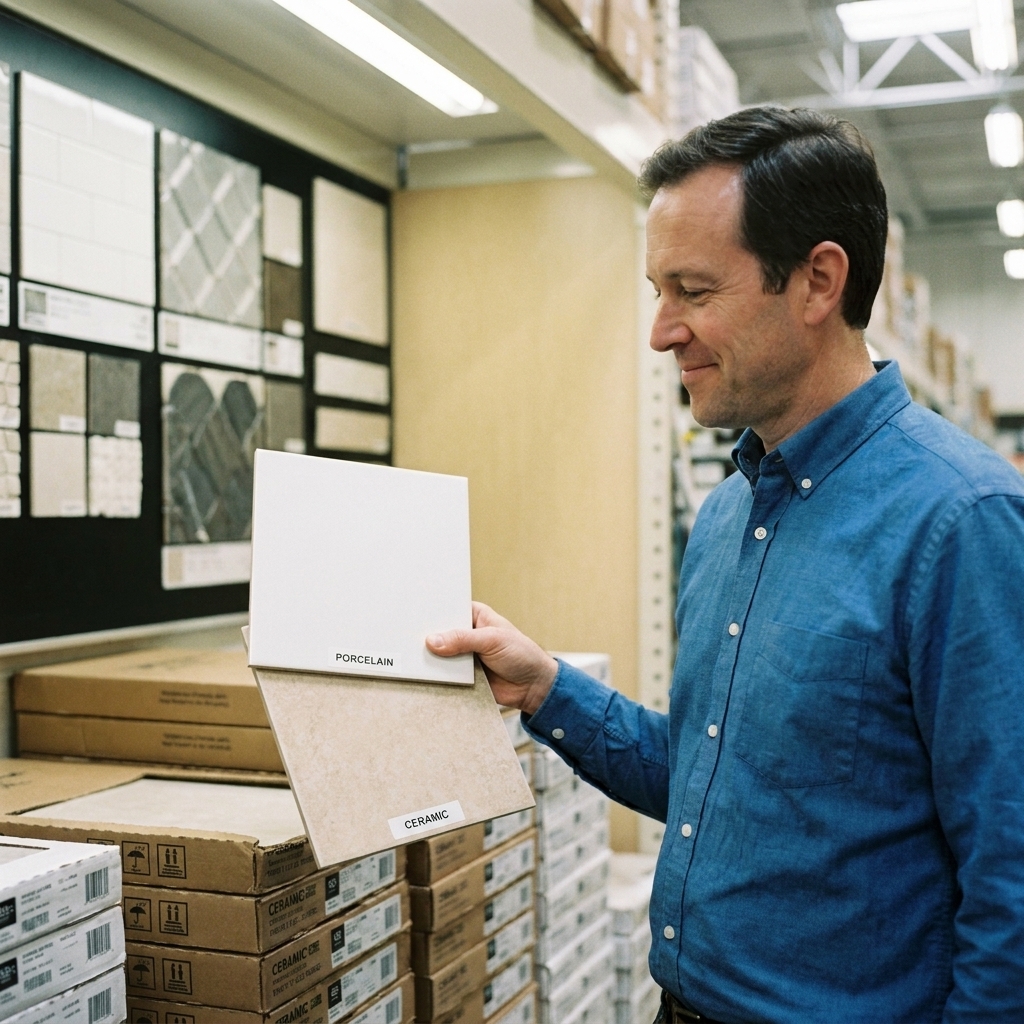
First, a technical truth that saves arguments: porcelain is a type of ceramic. In stores, people use “ceramic” to mean non-porcelain ceramic.
Both are made from clay and fired in a kiln. The differences come down to the clay mix, firing temperature, and how dense the finished tile becomes.
- Porcelain tile is typically denser and lower-absorption. True porcelain is generally defined as ≤0.5% water absorption (ANSI A137.1 / ISO 13006). That usually makes it more water-resistant and more wear-resistant, but also harder to cut.
- Non-porcelain ceramic tile is often more absorbent in the tile body and usually not as hard as porcelain. That can make it easier to cut and often cheaper.
One important nuance: glazed ceramic tile can have a very stain-resistant surface. The glaze is not the same thing as the tile body absorption, and it does not make the installation waterproof.
Cost
Tile price tags are all over the map, but in general:
- Ceramic is usually cheaper per square foot than porcelain in comparable styles.
- Porcelain often costs more, especially for through-body porcelain and high-end rectified lines.
Here is the part people miss: the tile itself is only one cost.
DIY costs people forget
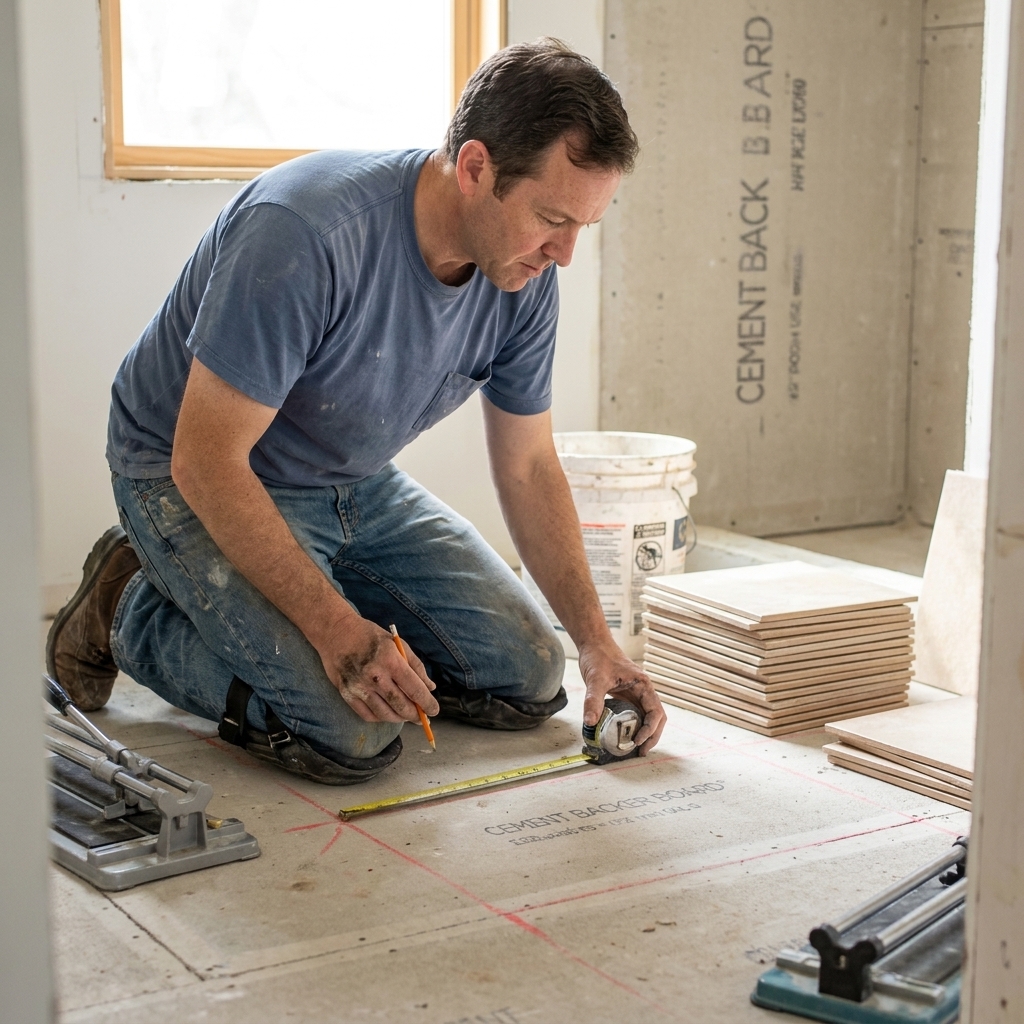
- Cutting gear: Porcelain can push you from a basic score-and-snap cutter into “rent a wet saw” territory, and it can wear out bargain blades quickly.
- Waste: If you are doing a pattern with lots of cuts (herringbone, diagonal, niches, L-cuts around door jambs), tougher tile can mean more broken pieces if your setup is shaky.
- Setting materials: Dense porcelain and large-format tile often call for a polymer-modified thinset that meets ANSI A118.4 or A118.15, plus the tile manufacturer’s instructions. In other words, it is not always a “nice to have.”
If your budget is tight and the area is low-stress (like a simple backsplash), ceramic can be the smarter buy. If you are tiling a floor that will see years of traffic, porcelain often pays you back.
Durability
Durability is where porcelain typically earns its reputation. Because it is denser and harder, it tends to resist wear better in high-traffic areas.
Where porcelain shines
- Entryways and mudrooms where grit gets tracked in.
- Kitchen floors that see chair legs, dropped pans, and constant cleaning.
- Busy households with kids and pets.
Where ceramic is plenty
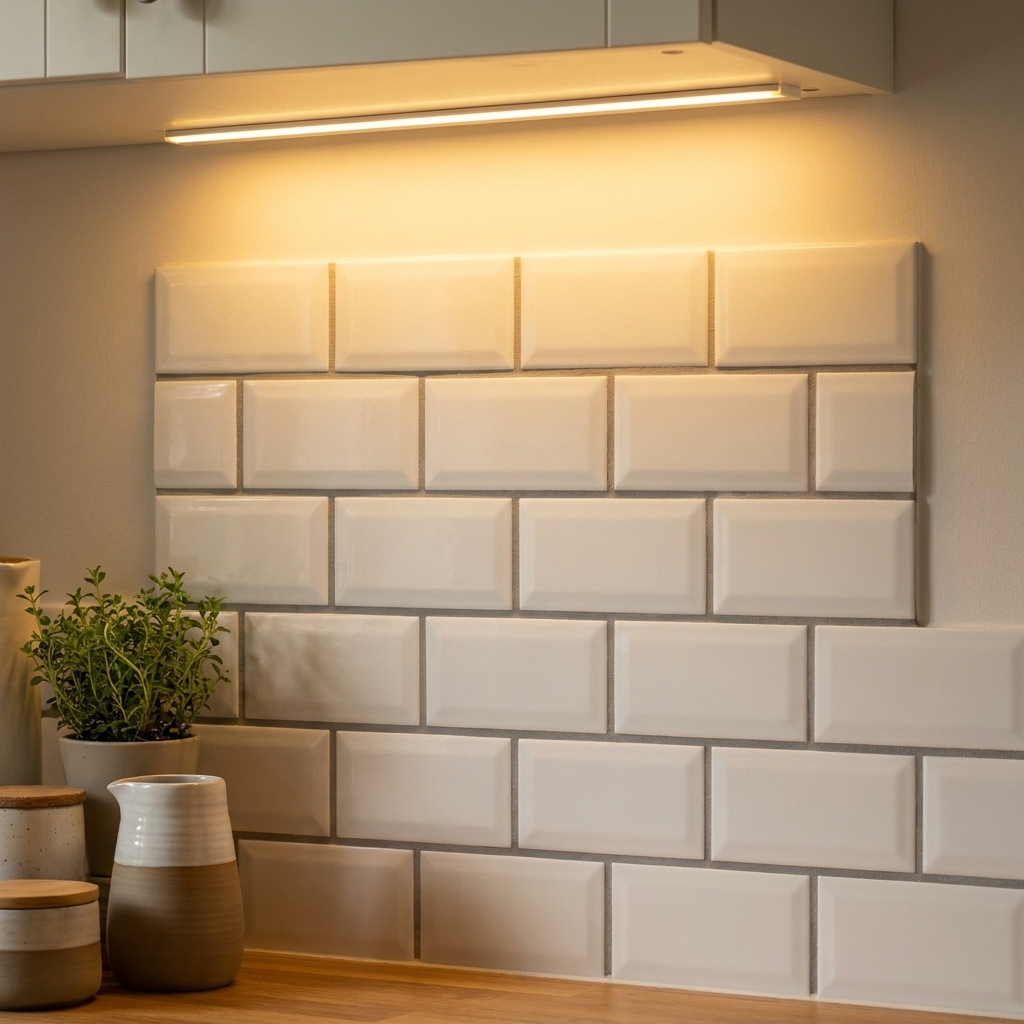
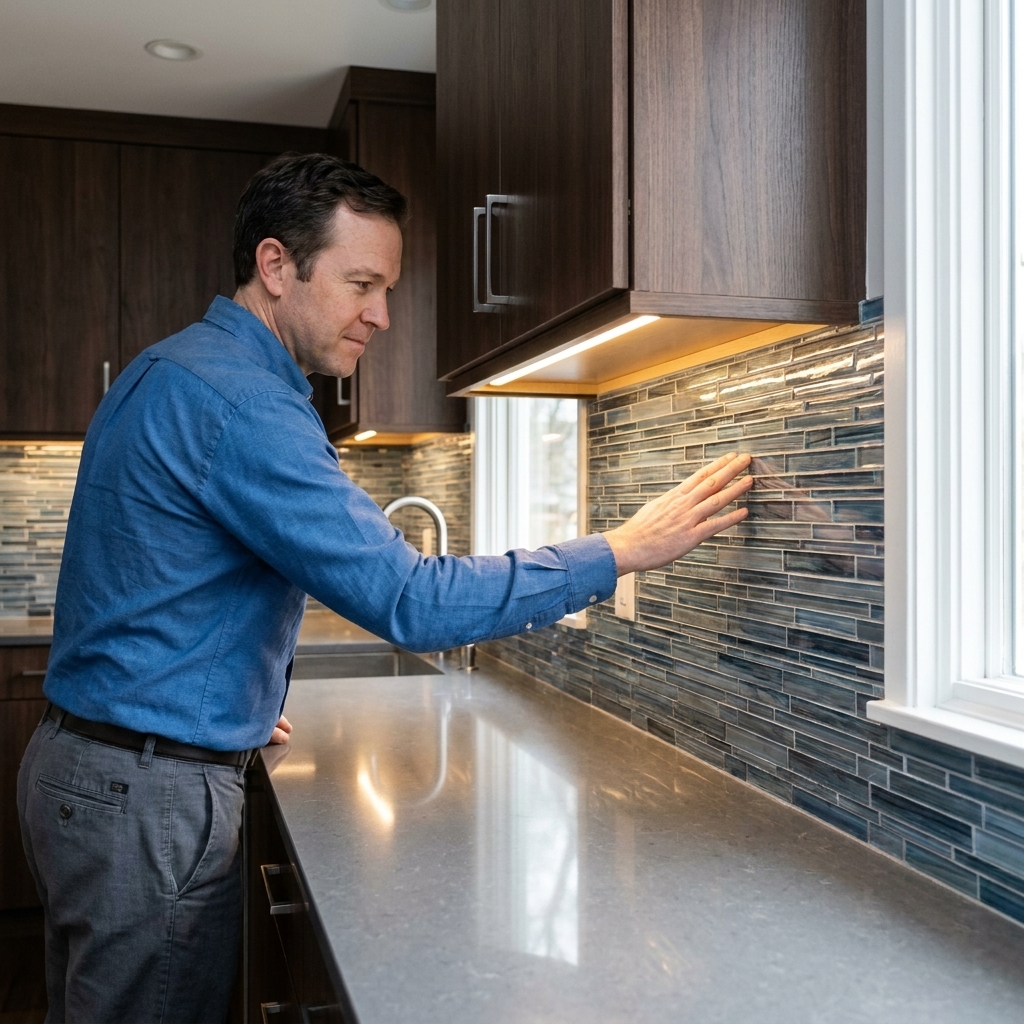
- Walls and backsplashes, where impact and abrasion are minimal.
- Low-traffic bathrooms, especially powder rooms.
- Decorative feature walls and fireplace surrounds (verify heat ratings and clearances where applicable).
My rule of thumb from the field: prep work is most of the job. A perfectly chosen porcelain tile over a bouncy floor still cracks.
Water resistance
Both porcelain and ceramic can be used in wet areas, but they are not identical.
Porcelain in wet areas
Because true porcelain is very low-absorption (again, that ≤0.5% threshold), it is commonly recommended for:
- Shower walls and shower floors
- Bathroom floors
- Laundry rooms
- Outdoor patios (only if the tile is rated for exterior and freeze-thaw conditions)
Ceramic in wet areas
Ceramic tile is still a common choice for shower walls and tub surrounds. The key is understanding this: tile and grout are not your waterproofing system. Your waterproofing should be behind the tile (sheet membrane or liquid-applied membrane, depending on your system). A glazed surface can resist stains, but it does not waterproof the assembly.
Where ceramic can be less ideal is:
- Shower floors that see constant saturation
- Outdoor installs in freeze-thaw climates (unless specifically rated)
If you want the least fussy option in a wet area, porcelain is usually the safer bet. If you already have solid waterproofing and you love a ceramic wall tile, you are not doing it wrong.
Cutting and drilling
This is where the decision gets very real, very fast. I have watched more DIY confidence evaporate at the wet saw than anywhere else in the project.
Ceramic is usually easier
- Score-and-snap cutters work well on many ceramic tiles.
- Wet saw cuts are often smoother with less edge chipping.
- Drilling holes for plumbing penetrations is generally less of a fight.
Porcelain takes better tools
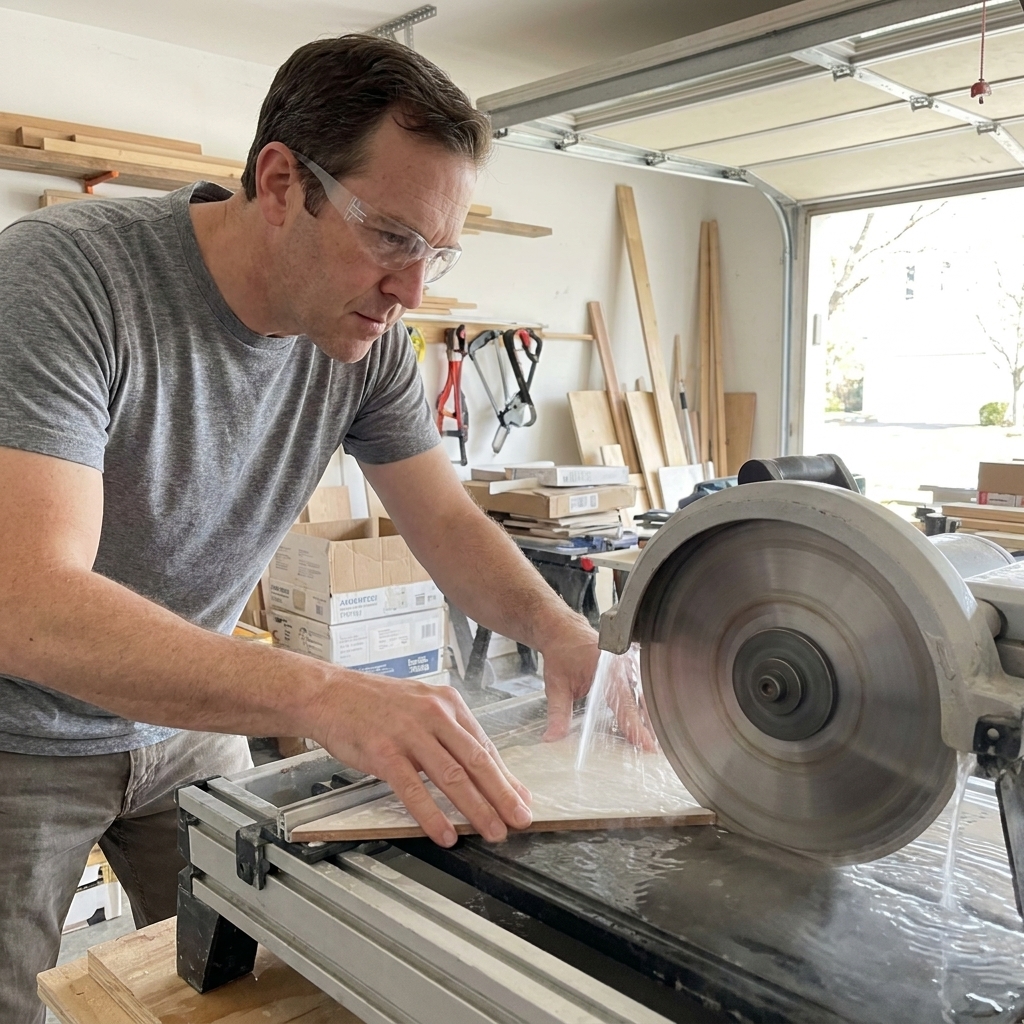
- It is denser, so it needs a quality porcelain-rated diamond blade and patience.
- Score-and-snap can work on some porcelain, but cheap cutters struggle and lead to bad breaks.
- Some porcelain, especially polished or rectified edges, can be more prone to edge chipping during cuts if the blade, feed rate, or support is off.
Cutting tips that actually help
- Use the right blade: A porcelain-rated diamond blade is worth the money.
- Support the tile: Wobbly tables and unsupported edges cause breaks.
- Slow down: With porcelain, rushing is how tiles crack or chip.
- Dress the blade: If cuts start burning or chipping, dress the blade with a dressing stone or a concrete block, carefully.
- Plan your cuts: Put factory edges where they will be seen. Put cut edges where trim, corners, or fixtures hide them.
Looks and finishes
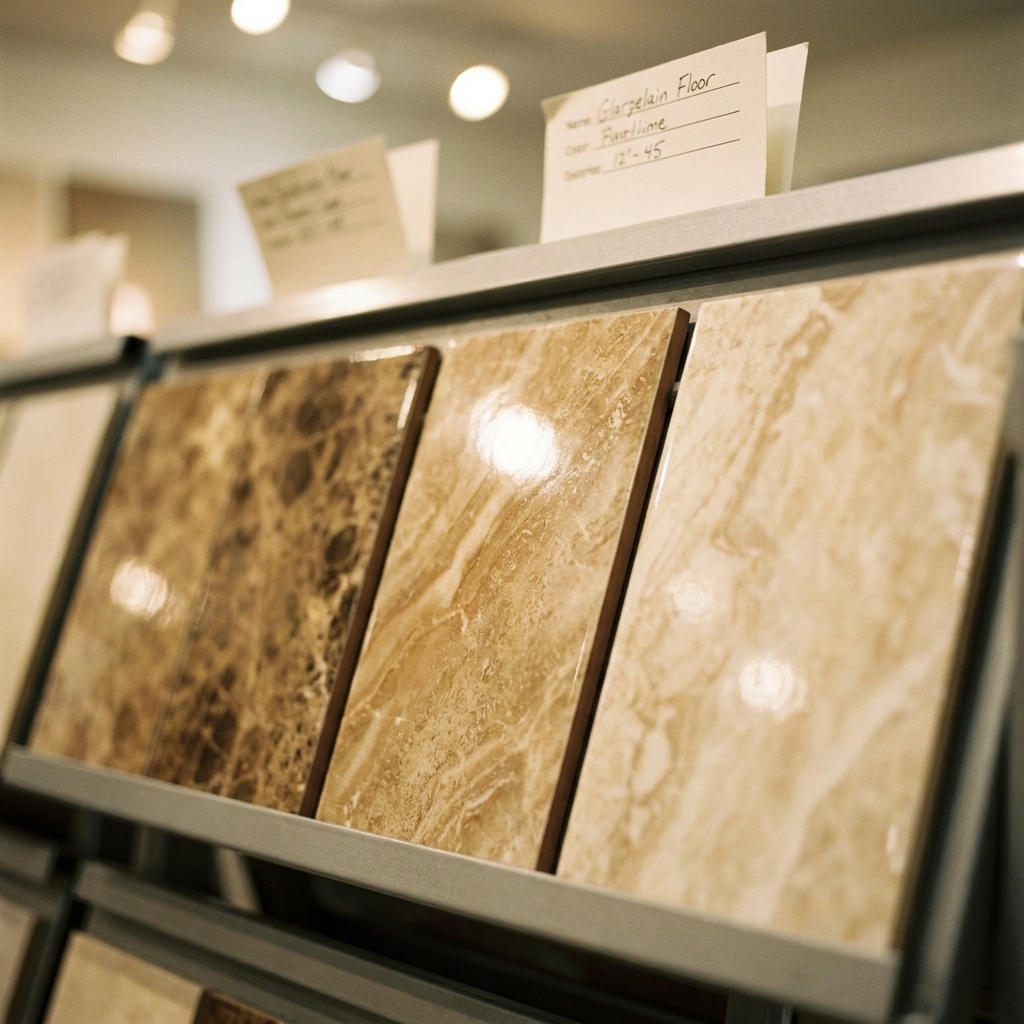
Sometimes you can tell the difference, often you cannot. Modern manufacturing is good. You can get ceramic that looks like marble and porcelain that looks like handmade tile.
What can differ
- Edge quality: Rectified tile (often porcelain, sometimes ceramic) has crisp edges that can allow tighter grout joints, as long as the tile is truly consistent.
- Body color: Some porcelain is through-body, meaning chips can be less noticeable. Many ceramics have a different colored body under the glaze, so chips can show more.
- Texture and traction: Both come in a range, but pay attention to DCOF or slip-resistance when the tile is going on a floor, especially in wet zones.
My advice: pick the look you love, then sanity-check that it matches the room. A glossy floor tile with tiny grout joints can look amazing, right up until it becomes slick in a family bathroom.
Ratings that matter
If you want to shop like a pro, these are the labels worth noticing:
- Porcelain label: If it is truly porcelain, it is generally rated at ≤0.5% water absorption under ANSI A137.1 / ISO 13006.
- PEI rating: Mostly relevant for glazed tile wear resistance. It can be a helpful data point for floors, but it is not the whole story (and it is not used the same way for unglazed tile).
- DCOF / slip resistance: Look for a floor-appropriate rating in bathrooms, entries, and anywhere that gets wet.
- Exterior and freeze-thaw: The tile must be rated for exterior use, and the installation system has to match: proper slope, drainage, exterior-rated mortar and grout, and movement joints. A tough tile cannot fix a bad exterior build.
Maintenance
- Tile sealing: Most porcelain and glazed ceramic tiles do not need sealing. Grout is the usual reason people seal, especially cement-based grout.
- Stains: Porcelain tends to be very stain-resistant because it is dense. Glazed ceramic is also very stain-resistant on the surface.
- Scratches and shine: Polished finishes can show scratches and scuffs more than matte finishes, regardless of whether the tile is porcelain or ceramic.
Best uses
Choose porcelain for
- Floors in kitchens, hallways, entries, and busy bathrooms
- Shower floors (especially small mosaics and penny rounds where water exposure is constant)
- Outdoor areas using an exterior-rated porcelain suitable for freeze-thaw
- Homes with pets or heavy daily traffic
Choose ceramic for
- Backsplashes and accent walls
- Shower walls when you have proper waterproofing and want easier cuts
- Light-duty floors in low-traffic areas with a solid subfloor
- Projects with lots of tricky cuts where you want the most DIY-friendly experience
Decision checklist
If you are still on the fence, run through this quick checklist. The goal is not perfection, it is fewer surprises.
- Is it a floor with heavy traffic? Lean porcelain.
- Is it a backsplash or wall? Ceramic is usually plenty.
- Is it a shower floor or outdoor area? Lean porcelain, and confirm the rating.
- Do you only have a basic cutter and no wet saw? Ceramic is the safer DIY choice.
- Are you okay renting or buying a better saw and blade? Porcelain becomes much less intimidating.
- Are you doing a complicated layout? Ceramic can reduce breakage and frustration.
Common questions
Is porcelain always better?
No. Porcelain is often tougher and lower-absorption, but better depends on the room, the look you want, and your tools. For a backsplash, ceramic can be the better pick because it is easier to work with and usually cheaper.
Can I use ceramic tile on a shower wall?
Yes, as long as your shower is properly waterproofed behind the tile and you use a suitable thinset and grout. The tile is the wear surface, not the waterproofing.
Do I need special thinset for porcelain?
Often, yes. Dense porcelain and large-format tile commonly require a polymer-modified thinset meeting ANSI A118.4 or A118.15, or whatever the tile and membrane manufacturers specify. Follow the specs, especially in showers.
Which one is easier for beginners?
Most beginners find ceramic easier because it cuts with fewer chips and less tool drama. Porcelain is absolutely DIY-able, but it rewards patience and better cutting equipment.
My rule of thumb
If you want the simplest DIY win, pick a quality ceramic for walls and backsplashes. If you are investing in a floor or a wet area that will get used hard every day, porcelain is usually worth the upgrade.
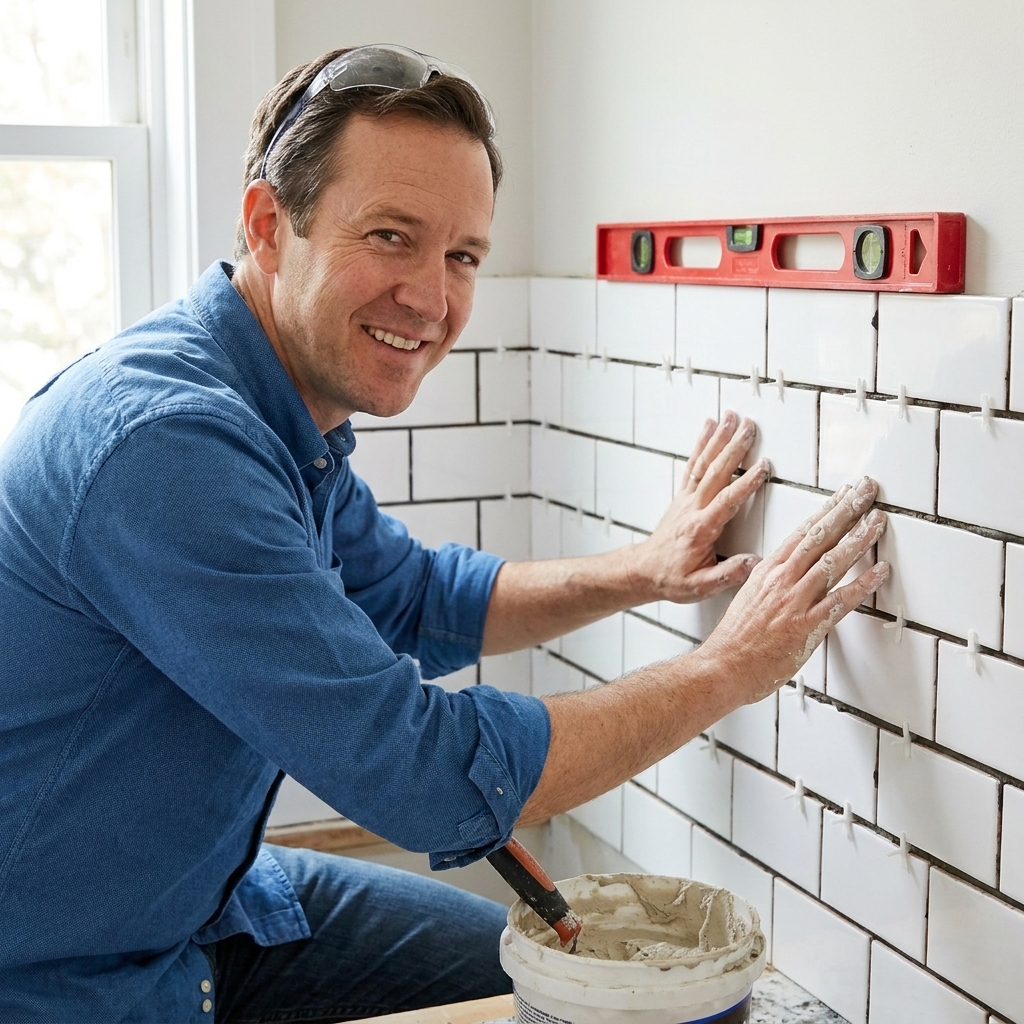
Whichever you choose, do not skip the boring parts: flat substrate, proper underlayment, layout lines you actually follow, and the right trowel and coverage. I have seen budget tile look high-end with good prep, and I have seen premium porcelain look rough because someone tried to wing it on a lumpy floor. The tile is only as good as what you stick it to.